

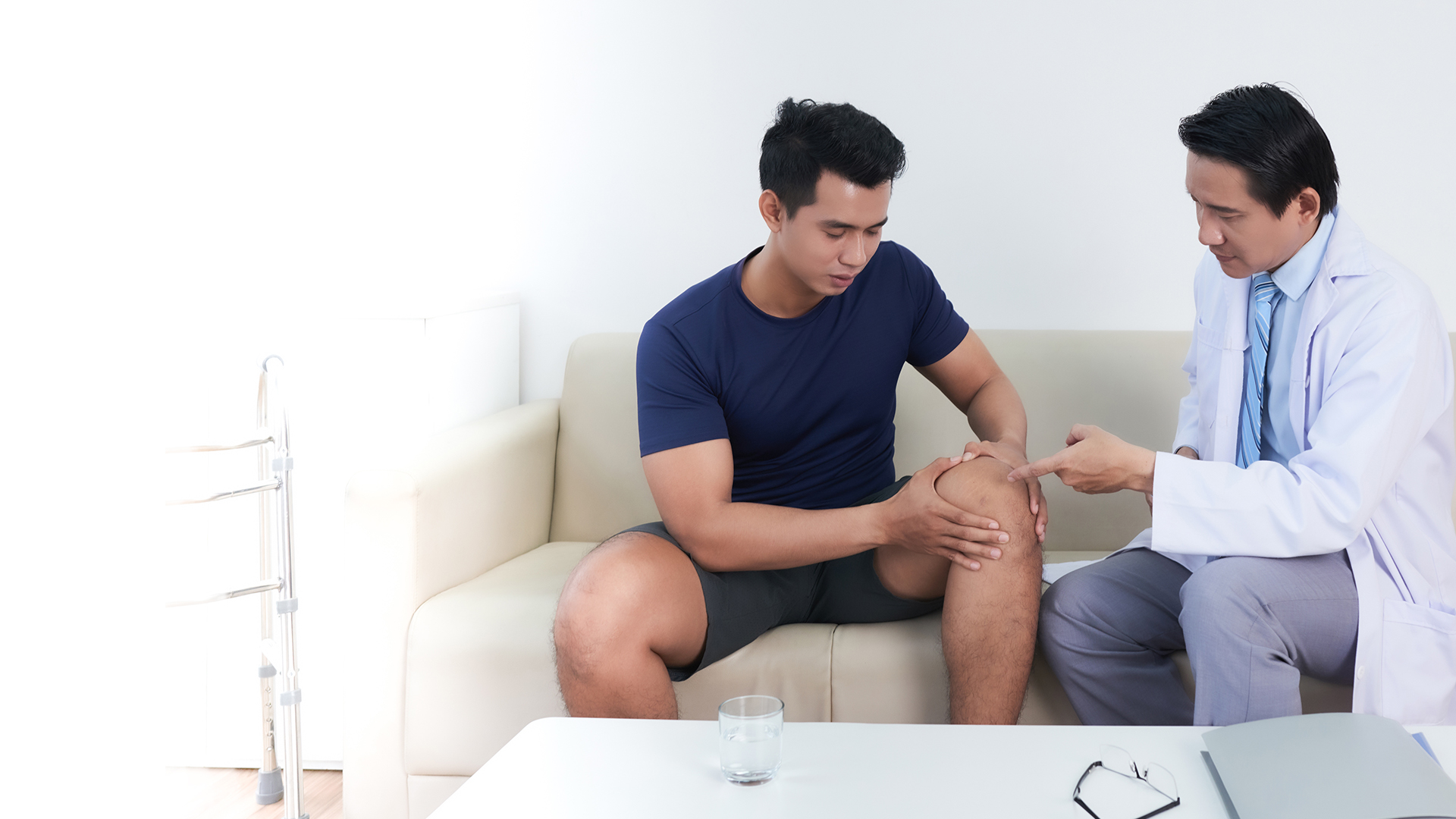

About ACL Surgery
An ACL injury can affect nearly every part of daily life. Simple movements such as walking up stairs, turning quickly, exercising, or even standing for long periods may suddenly become painful or unstable. At Academy Orthopaedics, we understand how frustrating and limiting a torn ACL can feel, especially for active individuals, athletes, working professionals, and older adults who want to maintain mobility and independence. Our goal is to help patients regain confidence in their movement through advanced orthopedic care, personalized treatment plans, and high quality ACL surgery designed around long term recovery.
The anterior cruciate ligament, commonly known as the ACL, is one of the most important stabilizing ligaments in the knee. When this ligament tears, patients often experience swelling, instability, pain, weakness, and difficulty participating in normal activities. Some people hear or feel a popping sensation at the moment of injury, while others notice their knee giving out repeatedly afterward. Without proper treatment, a torn ACL can increase the risk of additional knee damage over time, including meniscus injuries and early joint degeneration.
At Academy Orthopaedics, we provide comprehensive evaluation, diagnosis, surgical treatment, and rehabilitation for ACL injuries. Patients searching online for an ACL surgeon near me are often looking for more than just a procedure. They are searching for an orthopedic team that listens carefully, explains treatment options clearly, and provides support throughout every stage of recovery. We take pride in delivering patient centered orthopedic care that focuses on restoring mobility, reducing pain, and helping individuals return to the activities that matter most to them.
Understanding the ACL and Its Role in Knee Stability
The ACL is one of four primary ligaments that stabilize the knee joint. It connects the femur, or thigh bone, to the tibia, or shin bone. Its main function is to prevent excessive forward movement and rotational instability within the knee. Because the ACL plays such an important role in balance and movement, injuries to this ligament can significantly affect physical performance and joint stability.
ACL injuries commonly occur during sports or physical activities that involve sudden stops, rapid direction changes, jumping, pivoting, or awkward landings. Athletes who participate in basketball, soccer, football, skiing, lacrosse, and tennis are especially vulnerable to ACL tears. However, these injuries are not limited to competitive athletes. Everyday accidents, falls, and twisting injuries can also cause ACL damage.
Some ACL tears are partial, while others involve a complete rupture of the ligament. The severity of symptoms often depends on the extent of the injury as well as whether other structures within the knee are damaged at the same time. In many cases, ACL injuries occur alongside meniscus tears or cartilage damage, which can further affect knee function and long term joint health.
At Academy Orthopaedics, we conduct detailed orthopedic evaluations to determine the exact nature of the injury. Through physical examinations, imaging studies, and a thorough review of symptoms and activity levels, we develop individualized treatment recommendations that align with each patient’s goals and lifestyle.
Signs and Symptoms of an ACL Injury
Recognizing the symptoms of an ACL tear is an important first step toward receiving timely orthopedic care. Many patients report hearing or feeling a sudden pop in the knee at the moment of injury. Swelling often develops quickly, sometimes within hours. Pain may initially be severe, although some individuals notice instability more than pain after the swelling begins to decrease.
One of the most common complaints associated with ACL injuries is a feeling that the knee may buckle or give out during movement. This instability can make walking, running, pivoting, or climbing stairs feel difficult and unpredictable. Some patients also experience reduced range of motion, stiffness, weakness, and ongoing discomfort during physical activity.
Ignoring these symptoms can lead to additional complications. When the knee remains unstable, patients may unintentionally place abnormal stress on other structures within the joint. Over time, this can increase the likelihood of cartilage wear, meniscal injuries, and chronic pain.
Our orthopedic specialists at Academy Orthopaedics emphasize early diagnosis and treatment because prompt intervention often improves recovery outcomes and helps protect the long term health of the knee.
When ACL Surgery May Be Recommended
Not every ACL injury requires surgery. Treatment recommendations depend on several factors, including the severity of the tear, the patient’s age, activity level, occupation, lifestyle goals, and degree of instability. Some individuals with minor injuries or lower activity demands may benefit from non surgical treatment options such as physical therapy, bracing, and rehabilitation exercises.
However, ACL surgery is often recommended for patients who experience significant instability, participate in sports or physically demanding activities, or want to return to a high level of movement and performance. Surgery may also be advised when additional knee injuries are present.
At Academy Orthopaedics, we believe patients should fully understand their treatment options before making decisions about surgery. We take the time to explain the benefits, risks, recovery process, and expected outcomes associated with ACL surgery so patients can feel informed and confident in their care.
Patients searching for ACL surgery are often concerned about whether they will regain full mobility and return to their normal activities. While every recovery experience is different, many patients achieve excellent outcomes with modern ACL reconstruction techniques and dedicated rehabilitation.
How ACL Surgery Works
ACL surgery typically involves reconstructing the torn ligament using a graft. Since the ACL cannot usually heal effectively on its own after a complete tear, reconstruction creates a new ligament structure that restores stability to the knee.
During ACL reconstruction, the damaged ligament is removed and replaced with a graft taken either from the patient’s own tissue or from donor tissue. Common graft sources include the patellar tendon, hamstring tendon, or quadriceps tendon. The choice of graft depends on various factors, including the patient’s anatomy, activity level, sport participation, and personal preferences.
Modern ACL surgery is generally performed using minimally invasive arthroscopic techniques. Small incisions are used to insert a camera and specialized surgical instruments into the knee joint. Arthroscopic surgery allows for detailed visualization of the knee structures while minimizing tissue disruption, which may contribute to less postoperative discomfort and improved recovery.
At Academy Orthopaedics, we use advanced surgical techniques and evidence based orthopedic practices to optimize patient outcomes. Our orthopedic team carefully evaluates each patient’s condition and develops personalized surgical plans designed to restore knee function and long term stability.
The Importance of Rehabilitation After ACL Surgery
Successful ACL surgery extends beyond the operating room. Rehabilitation plays a critical role in restoring strength, flexibility, balance, and movement following surgery. Recovery requires commitment, patience, and guidance from experienced healthcare professionals.
In the early stages of recovery, rehabilitation focuses on reducing swelling, improving range of motion, and protecting the healing graft. As healing progresses, therapy gradually incorporates strengthening exercises, stability training, and movement retraining.
Over time, patients work toward restoring normal walking patterns, improving muscle control, and rebuilding confidence in the knee. Athletes and highly active individuals often participate in sport specific rehabilitation programs before returning to competitive activity.
At Academy Orthopaedics, we guide patients throughout the recovery process with individualized rehabilitation recommendations and ongoing orthopedic follow up care. Our team closely monitors healing progress and adjusts treatment plans based on each patient’s recovery milestones and goals.
Recovery timelines vary depending on the individual, but many patients continue rehabilitation for several months following ACL surgery. While returning to full athletic activity may take time, consistent rehabilitation can significantly improve long term knee function and reduce the risk of reinjury.
Why Experience Matters in ACL Surgery
Choosing the right orthopedic provider is an important decision for anyone considering ACL surgery. Knee ligament injuries require careful evaluation, surgical precision, and long term management to achieve optimal outcomes. At Academy Orthopaedics, we prioritize patient education, individualized treatment, and evidence based orthopedic care.
Patients looking for an ACL surgeon near me often want reassurance that their orthopedic team understands the physical, emotional, and lifestyle impact of knee injuries. We recognize that every patient has different goals. Some individuals want to return to competitive athletics, while others simply want to walk comfortably, remain active with their families, or maintain independence in their daily routines.
Our practice focuses on delivering comprehensive orthopedic care that addresses both immediate symptoms and long term joint health. Through detailed evaluations, modern surgical techniques, and patient centered recovery planning, we help individuals regain stability and improve their quality of life.
Orthopedic Services Offered at Academy Orthopaedics
At Academy Orthopaedics, we provide a broad range of orthopedic services designed to diagnose, treat, and manage musculoskeletal conditions affecting patients of all ages. While ACL surgery is an important part of our orthopedic care, our practice also treats numerous other conditions involving the bones, joints, ligaments, tendons, and muscles.
Our services include comprehensive knee care, sports injury treatment, joint pain management, fracture care, arthritis treatment, shoulder care, hip conditions, and rehabilitation focused orthopedic treatment plans. We understand that orthopedic injuries often affect more than one area of the body, which is why we take a comprehensive approach to diagnosis and treatment.
Patients frequently visit our practice for sports related injuries, chronic joint pain, mobility limitations, overuse injuries, and degenerative orthopedic conditions. Through personalized treatment recommendations, advanced imaging, minimally invasive procedures when appropriate, and collaborative rehabilitation strategies, we aim to help patients restore movement and improve function.
By offering a wide spectrum of orthopedic services, Academy Orthopaedics provides continuity of care that supports patients through every stage of injury recovery and long term musculoskeletal health.
Supporting Active Communities Through Orthopedic Care
The communities we serve are filled with active families, students, athletes, professionals, and older adults who rely on healthy movement to maintain their daily routines and lifestyles. Orthopedic injuries such as ACL tears can significantly disrupt work responsibilities, recreational activities, school sports participation, and overall quality of life.
At Academy Orthopaedics, we understand the unique needs of the people and communities we serve. Many individuals throughout our service areas participate in physically active lifestyles that place stress on the knees and other joints. Youth sports programs, recreational athletics, fitness activities, and physically demanding occupations all contribute to an increased need for high quality orthopedic care.
ACL injuries are particularly common among younger athletes and active adults who participate in sports involving cutting, pivoting, and sudden directional changes. Without proper treatment, these injuries may lead to long term instability, additional joint damage, and limitations that affect both athletic performance and daily life.
Our practice is committed to helping local patients access advanced orthopedic care close to home. We recognize that timely diagnosis, effective treatment, and personalized rehabilitation are essential for helping individuals return safely to the activities they enjoy. By providing comprehensive orthopedic services within the communities we serve, we help patients receive consistent care throughout every phase of recovery.
In addition to treating injuries, we also believe in patient education and injury prevention. Understanding proper movement mechanics, conditioning strategies, strength training, and recovery practices can help reduce the risk of future orthopedic injuries. Our commitment to education allows patients to make informed decisions about their musculoskeletal health and long term physical wellness.
Personalized Care Throughout the Surgical Journey
Undergoing ACL surgery can feel overwhelming for many patients, especially those who have never had orthopedic surgery before. Questions about pain, mobility, recovery timelines, work restrictions, and long term outcomes are common and understandable. At Academy Orthopaedics, we prioritize open communication and compassionate patient support throughout every stage of treatment.
From the initial consultation through postoperative recovery, we work closely with patients to address concerns and explain each step of the process. We believe patients deserve clear information about their condition, treatment options, rehabilitation expectations, and recovery goals.
Our orthopedic team takes the time to understand each patient’s lifestyle, activity level, and personal priorities before recommending treatment. Whether someone wants to return to competitive sports, recreational exercise, or comfortable daily movement, we tailor treatment plans to support those objectives.
Patients often appreciate having a trusted orthopedic practice that remains actively involved throughout the healing process. Follow up appointments, progress evaluations, rehabilitation guidance, and ongoing support all contribute to a more personalized and comprehensive care experience.
Returning to Sports and Physical Activity After ACL Surgery
For many patients, one of the biggest concerns surrounding ACL surgery is whether they will be able to return to sports and physical activities. While recovery requires patience and dedication, advances in orthopedic surgery and rehabilitation have allowed many individuals to successfully return to active lifestyles following ACL reconstruction.
The timeline for returning to sports varies based on factors such as healing progress, strength restoration, balance, flexibility, and sport specific demands. Rushing recovery too quickly can increase the risk of reinjury, which is why careful monitoring and progressive rehabilitation are essential.
At Academy Orthopaedics, we emphasize a gradual and structured recovery approach that prioritizes long term knee stability and safe movement patterns. Before returning to sports participation, patients typically undergo assessments that evaluate strength, coordination, balance, agility, and functional movement.
We understand how important physical activity is for overall health, emotional wellbeing, and personal fulfillment. Our goal is to help patients recover safely while minimizing future injury risks and supporting long term joint health.
Long Term Knee Health After ACL Reconstruction
Recovering from an ACL injury involves more than short term healing. Long term knee health depends on maintaining strength, flexibility, joint stability, and healthy movement patterns well after surgery and rehabilitation are complete.
Patients who remain physically active after ACL reconstruction should continue focusing on conditioning, injury prevention exercises, and muscle strengthening to help protect the knee joint. Maintaining proper body mechanics and avoiding unnecessary joint stress can also contribute to better long term outcomes.
At Academy Orthopaedics, we believe orthopedic care should support patients throughout every phase of life. Whether individuals are recovering from recent injuries or managing long standing orthopedic conditions, our practice is committed to helping patients maintain mobility, independence, and confidence in their movement.
Helping Patients Move Forward With Confidence
An ACL injury can feel physically and emotionally challenging, especially for individuals who value an active lifestyle. At Academy Orthopaedics, we are dedicated to helping patients navigate every stage of recovery with personalized orthopedic care, advanced surgical expertise, and compassionate support.
Our approach to ACL surgery focuses not only on repairing the knee, but also on helping patients regain confidence, stability, and long term mobility. Through individualized treatment plans, comprehensive rehabilitation guidance, and patient centered orthopedic care, we help individuals work toward returning to the activities they enjoy most.
Patients searching for ACL surgery or an ACL surgeon near me deserve experienced orthopedic care that prioritizes both immediate recovery and lasting joint health. At Academy Orthopaedics, we remain committed to delivering the high quality orthopedic services our communities rely on for expert musculoskeletal care.
Frequently Asked Questions
What is the ACL?
The ACL, or anterior cruciate ligament, is a major ligament in the knee that helps stabilize the joint during movement and physical activity.
What causes an ACL tear?
ACL tears commonly occur during sports activities that involve sudden stops, pivoting, jumping, or rapid changes in direction. Falls and twisting injuries can also cause ACL damage.
Do all ACL injuries require surgery?
No. Some partial tears or less severe injuries may be treated with physical therapy and rehabilitation. However, ACL surgery is often recommended for active individuals or patients with significant instability.
How long does ACL surgery recovery take?
Recovery timelines vary, but many patients participate in rehabilitation for several months. Returning to sports may take six to twelve months depending on healing and progress.
Is ACL surgery performed arthroscopically?
Yes. Most ACL surgery procedures are performed using minimally invasive arthroscopic techniques with small incisions and specialized instruments.
Can I walk after ACL surgery?
Many patients begin walking with assistance shortly after surgery, although crutches and knee braces may be needed temporarily during recovery.
What happens if a torn ACL is left untreated?
Untreated ACL injuries may lead to chronic knee instability, additional ligament or cartilage damage, meniscus injuries, and long term joint degeneration.
Will I need physical therapy after ACL surgery?
Yes. Physical therapy is an essential part of ACL recovery and helps restore strength, stability, flexibility, and movement.
Can athletes return to sports after ACL surgery?
Many athletes successfully return to sports after ACL reconstruction and rehabilitation, although recovery timelines differ based on the individual and sport.
Why should I choose Academy Orthopaedics for ACL surgery?
Academy Orthopaedics provides personalized orthopedic care, advanced surgical techniques, comprehensive rehabilitation guidance, and patient-centered treatment focused on long term recovery and mobility.