
Knee pain can quickly take the joy out of staying active. Whether you’re running, playing sports, or simply trying to keep up with your daily routine, a sports knee injury can limit your movement and affect your quality of life. Many people try to ignore the discomfort or “push through,” but that often leads to more serious damage.
Left untreated, sports injuries involving the knee can result in chronic instability, ongoing pain, and even long-term joint problems like arthritis. Early evaluation and proper knee injury treatment are key to preventing complications and ensuring a safe return to activity.
In this guide, we’ll take a closer look at the most common sports injuries affecting the knee, what causes them, how to recognize symptoms, and the most effective sports injury treatment options available. Are you experiencing knee pain? Make an appointment today to get expert care from an orthopedic knee specialist.
Most Common Sports Knee Injuries
Anterior Cruciate Ligament (ACL) Tear
An ACL tear is one of the most serious and common sports knee injuries. The ACL is a strong ligament that stabilizes the knee, especially during sudden movements. Injuries often occur during rapid direction changes, awkward landings, or sudden stops.
Sub-types:
- Grade 1 Sprain (Mild Stretching)
- Partial ACL Tear
- Complete ACL Tear
Treatment depends on the severity and activity level of the patient. Mild injuries may improve with structured physical therapy, but complete tears often require surgical reconstruction followed by several months of rehabilitation.
Meniscus Tear
The meniscus is a C-shaped piece of cartilage that acts as a cushion between the thigh bone and shinbone. Tears commonly occur when the knee twists while bearing weight.
Sub-types:
- Medial Meniscus Tear
- Lateral Meniscus Tear
- Bucket Handle Tear
- Degenerative Tear
Small tears may heal with rest and therapy, but larger tears that affect stability or movement often require minimally invasive arthroscopic surgery.
Patellar Tendinitis (Jumper’s Knee)
Patellar tendinitis is an overuse injury that causes inflammation in the tendon connecting the kneecap to the shinbone. It is especially common in athletes who frequently jump or sprint.
Sub-types:
- Acute Patellar Tendinitis
- Chronic Tendinopathy
Treatment typically begins with rest, physical therapy, and anti-inflammatory measures. Chronic cases may require advanced therapies such as platelet-rich plasma injections or surgical intervention.
Medial Collateral Ligament (MCL) Injury
The MCL is located on the inner side of the knee and helps prevent the knee from bending inward. Injuries usually occur from a direct blow to the outside of the knee.
Sub-types:
- Grade 1 (Mild)
- Grade 2 (Moderate Partial Tear)
- Grade 3 (Complete Tear)
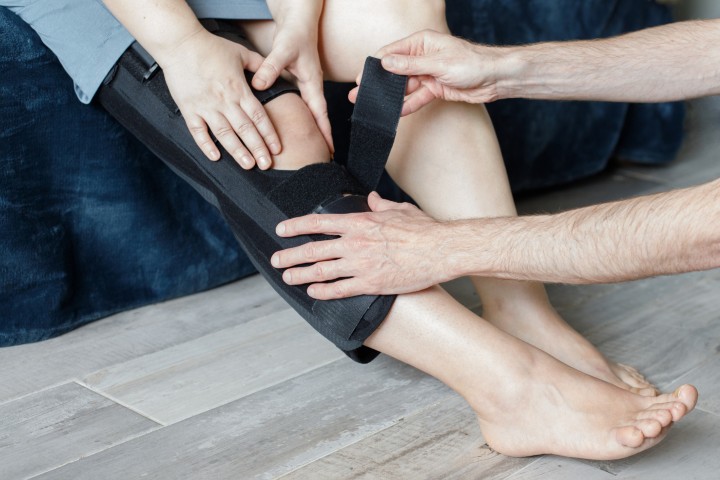
Most MCL injuries respond well to conservative care, including bracing and rehabilitation. Surgery is less common but may be necessary in severe cases or when combined with other ligament injuries.
Patellar Dislocation
A patellar dislocation occurs when the kneecap slips out of its normal groove, often due to trauma or anatomical factors.
Sub-types:
- Acute First-Time Dislocation
- Recurrent Dislocation
Initial treatment includes bracing, rest, and physical therapy. Recurrent cases may require surgical stabilization to prevent future episodes.
Iliotibial (IT) Band Syndrome
IT band syndrome is a common overuse injury, especially among runners and cyclists. It occurs when the iliotibial band, a thick band of tissue running along the outside of the thigh, becomes tight or inflamed.
Sub-types:
- Acute IT Band Irritation
- Chronic IT Band Syndrome
Treatment focuses on stretching, strengthening, and correcting movement patterns. Surgery is rarely needed.
Common Causes of Knee Injuries in Sports
Sudden Twisting or Pivoting Movements
Many sports require quick direction changes, which place significant stress on the knee joint and its ligaments. These movements are a leading cause of ACL and meniscus injuries.
Examples include:
- Cutting movements in soccer or football
- Pivoting in basketball
- Rapid directional changes in tennis
Overuse and Repetitive Stress
Repetitive motion can gradually wear down the structures in the knee, leading to inflammation and small tears that worsen over time.
Examples include:
- Long-distance running without adequate recovery
- Repetitive jumping in volleyball or basketball
- Cycling with improper positioning
Direct Impact or Trauma
Contact sports and high-speed activities increase the risk of direct blows to the knee, which can damage ligaments, cartilage, or bone.
Examples include:
- Tackles in football
- Falls during skiing or snowboarding
- Collisions in hockey or lacrosse
Poor Conditioning or Muscle Imbalance
Muscles around the knee play a key role in stability. Weak or imbalanced muscles can increase stress on the joint and make injuries more likely.
Examples include:
- Weak quadriceps or hamstrings
- Poor core stability
- Limited flexibility
Improper Technique or Equipment
Using incorrect form or wearing improper gear can place unnecessary strain on the knee joint.
Examples include:
- Poor landing mechanics after jumping
- Wearing worn-out or unsupportive shoes
- Improper training techniques
Knee Injury Symptoms
- Pain
Knee pain may be sharp and immediate after an injury or develop gradually over time. It can worsen with activity or even persist at rest, depending on the severity of the injury. - Swelling
Swelling often occurs due to inflammation or internal bleeding within the joint. It may appear quickly after an acute injury or build up over several hours. - Stiffness
A stiff knee can make it difficult to move the joint normally. This symptom is often linked to swelling or inflammation and can limit daily activities. - Reduced Range of Motion
Injuries may prevent you from fully bending or straightening your knee. This can interfere with walking, climbing stairs, and participating in sports. - Instability or Weakness
The knee may feel unstable or as if it might “give out,” especially with ligament injuries. This can make it unsafe to continue physical activity. - Clicking, Popping, or Locking
A popping sound at the time of injury may indicate a ligament tear. Ongoing clicking or locking sensations can signal cartilage damage or a meniscus tear. - Bruising or Tenderness
Some injuries may cause visible bruising or tenderness around the knee. This is often a sign of soft tissue damage or trauma.
When to See a Specialist
- Knee pain that lasts longer than a few days despite rest and home care
- Severe pain immediately following an injury or accident
- Swelling that does not improve or continues to worsen
- Difficulty standing, walking, or bearing weight
- A feeling that the knee is unstable or giving out
- Limited movement that interferes with daily activities
- Symptoms that disrupt sleep or normal routines
Seeking early evaluation from an orthopedic knee specialist can help prevent further damage and speed up your recovery.
Treatment at Academy Orthopaedics
At Academy Orthopaedics, we specialize in diagnosing and treating sports knee injuries with a patient-centered approach. We understand that every injury is different, and our goal is to provide personalized care that helps you return to your active lifestyle safely and efficiently.
Treatment always begins with a thorough evaluation, which may include a physical exam and advanced imaging such as MRI or X-rays. Once we understand the full extent of your injury, we develop a customized knee injury treatment plan tailored to your needs and goals.
We prioritize conservative, non-surgical treatments whenever possible. These may include rest, activity modification, bracing, targeted physical therapy, and advanced non-operative treatments such as anti-inflammatory therapies or regenerative medicine options. These approaches are designed to reduce knee pain, restore strength, and improve joint function without the need for surgery.
If surgical care is necessary, our board-certified, fellowship-trained orthopedic knee specialists use advanced, minimally invasive techniques. Procedures such as arthroscopic surgery, ligament reconstruction, and cartilage restoration are performed with precision to minimize recovery time and maximize results. We guide you through every stage of the process, including post-surgical rehabilitation, to ensure the best possible outcome.
Recovery doesn’t end after treatment. Our team provides ongoing support, education, and rehabilitation guidance to help prevent future sports injuries and keep your knees strong and healthy for the long term.
You don’t have to live with knee pain or sit on the sidelines. Expert care is within reach. Find relief and get back to doing what you love. Make an appointment today.
FAQ
What is sports injury rehabilitation?
Sports injury rehabilitation is the process of recovering from an injury sustained during sports or physical activity. It focuses on reducing pain, restoring strength, improving flexibility and balance, and helping athletes safely return to their sport.
When is sports injury rehabilitation necessary?
Rehabilitation is often needed when an injury affects normal movement or athletic performance. Common reasons include sprains, strains, fractures, dislocations, tendon injuries, ligament injuries, overuse injuries, spinal injuries, and recovery after surgery.
What types of exercises are used during sports injury rehabilitation?
Treatment programs may include mobility exercises, strength training, conditioning exercises, balance training, and sport-specific activities designed to restore function and reduce the risk of future injuries.
Can rehabilitation help prevent future sports injuries?
Yes. Rehabilitation strengthens the affected area, improves movement patterns, and addresses factors that may have contributed to the injury, helping reduce the likelihood of reinjury.
How does rehabilitation help after a sprain or strain?
Rehabilitation helps restore strength, flexibility, and function to the injured area. It can also improve stability and reduce the risk of recurring injuries.
Is rehabilitation important after sports injury surgery?
Yes. Post-operative rehabilitation is a critical part of recovery. It helps rebuild strength, restore mobility, improve function, and support a safe return to athletic activities.
Can overuse injuries benefit from rehabilitation?
Yes. Conditions caused by repetitive stress, such as tennis elbow, runner’s knee, and stress fractures, often improve with rehabilitation that focuses on pain relief, functional recovery, and correcting contributing factors.
What are the stages of sports injury rehabilitation?
Rehabilitation generally progresses through four stages: acute care, recovery, strengthening, and return-to-sport training. Each stage is designed to help patients safely regain function and activity levels.
When should rehabilitation begin after a sports injury?
The timing depends on the type and severity of the injury. Early care typically focuses on reducing inflammation and protecting the injured area, while more active rehabilitation begins as healing progresses under medical guidance.
What challenges can athletes face during rehabilitation?
Many athletes face physical and mental challenges during recovery, including managing pain, staying committed to their treatment plan, overcoming fear of reinjury, and rebuilding strength and confidence.