
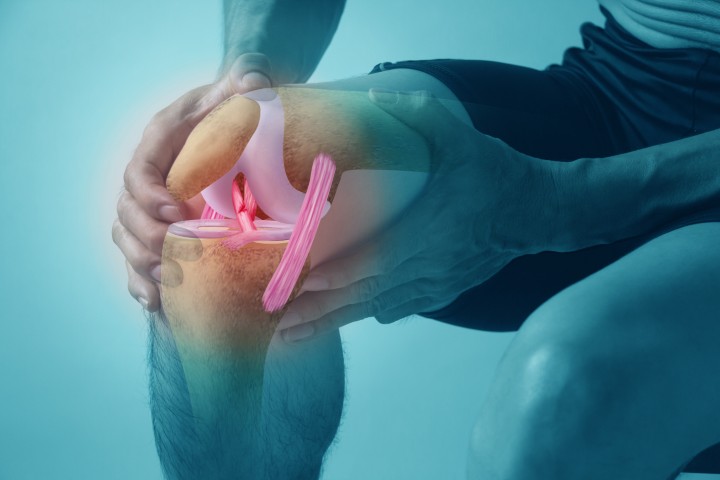
A torn ACL can be a life-changing injury. Whether it happened during sports, a fall, or a sudden twist of the knee, the pain and instability can make even simple movements feel difficult. Many people also worry about how long recovery will take and whether they will regain full strength.
Ignoring a knee injury like this can lead to long-term problems, including chronic knee pain, instability, and even early arthritis. That is why understanding your treatment options and taking the right steps toward recovery is so important.
In this guide, we will walk you through the most effective torn ACL treatments, what to expect during recovery, and how an orthopedic knee specialist can help you return to normal activity safely. Are you experiencing knee pain or recovering from an ACL injury? Make an appointment to get expert care and guidance.
Most Common ACL-Related Knee Injuries and Conditions
ACL Tear
An ACL tear occurs when the anterior cruciate ligament, which stabilizes the knee joint, is stretched or torn. This often happens during sudden stops, pivots, or awkward landings.
Sub-types:
Partial tear: The ligament is stretched and slightly damaged but still intact
Complete tear: The ligament is fully torn and cannot stabilize the knee
Treatment depends on severity, activity level, and goals. Mild tears may respond to conservative care, while complete tears often require surgical reconstruction.
Meniscus Tear
The meniscus is cartilage that cushions the knee. ACL injuries often occur alongside a torn meniscus due to the same twisting forces.
Sub-types:
Medial meniscus tear: Affects the inner knee
Lateral meniscus tear: Affects the outer knee
Treatment ranges from rest and physical therapy to arthroscopic surgery, depending on the size and location of the tear.
Knee Sprain
A knee sprain involves stretching or tearing of one or more ligaments, including the ACL.
Sub-types:
Grade 1: Mild stretching
Grade 2: Partial tear
Grade 3: Complete tear
Lower-grade sprains often heal with conservative knee injury treatment, while higher-grade injuries may need surgical evaluation.
Patellar Instability
This condition occurs when the kneecap moves out of its normal position, sometimes happening alongside ACL injuries.
Sub-types:
Subluxation: Partial dislocation
Dislocation: Full displacement of the kneecap
Treatment may include bracing and strengthening exercises or surgery in more severe or recurrent cases.
Cartilage Damage
Damage to the articular cartilage can occur with ACL injuries, leading to pain and joint dysfunction.
Sub-types:
Focal cartilage defects: Small, localized damage
Degenerative changes: Widespread wear over time
Treatment can range from non-operative care to advanced surgical techniques to restore cartilage.
Common Causes of ACL Injuries
Sports and Athletic Activity
High-impact sports are one of the most common causes of ACL injuries. Sudden changes in direction, jumping, and pivoting place significant stress on the knee.
- Basketball or soccer quick pivots
- Football tackles or collisions
- Skiing falls or twists
- Gymnastics landings
Falls and Accidents
A simple fall or misstep can result in a serious knee injury, especially if the knee twists unnaturally during impact.
- Slipping on wet surfaces
- Falling down stairs
- Tripping during daily activities
Overuse and Repetitive Stress
Repeated strain on the knee over time can weaken the ligament, making it more susceptible to tearing.
- Long-distance running
- Frequent jumping activities
- Physically demanding jobs
Poor Biomechanics
Improper movement patterns can increase the risk of ACL injuries, especially in athletes.
- Weak hip or core muscles
- Improper landing technique
- Muscle imbalances
Degenerative Changes
As people age, ligaments can lose strength and flexibility, making them more prone to injury.
- Age-related wear and tear
- Previous knee injuries
- Reduced joint stability
ACL Injury Symptoms
- Pain: A torn ACL often causes immediate and severe knee pain, especially at the moment of injury. Some people report hearing or feeling a “pop” when the ligament tears.
- Swelling: The knee may swell quickly within a few hours due to internal bleeding. This swelling can limit movement and increase discomfort.
- Instability: Many patients feel like their knee is “giving out” or cannot support their weight. This is a key sign that the ACL is no longer stabilizing the joint.
- Reduced Range of Motion: Bending or straightening the knee becomes difficult due to pain, swelling, and structural damage.
- Weakness: The muscles around the knee may weaken over time, especially without proper rehabilitation.
When to See a Specialist
- Persistent knee pain that does not improve after a few days
- Severe pain or swelling immediately after an injury
- Difficulty walking or bearing weight on the affected leg
- A feeling of instability or the knee giving out
- No improvement with rest, ice, or over-the-counter treatments
If you experience any of these symptoms, it is important to consult an orthopedic knee specialist for an accurate diagnosis and treatment plan.
Treatment at Academy Orthopaedics
At Academy Orthopaedics, we understand how disruptive a torn ACL can be to your daily life. Our approach to torn ACL treatments focuses on restoring stability, reducing pain, and helping you return to the activities you enjoy.
We always begin with conservative care whenever appropriate. This may include rest, bracing, anti-inflammatory medications, and a structured physical therapy program. These treatments aim to reduce swelling, strengthen the muscles around the knee, and improve joint stability. For some patients, especially those with partial tears or lower activity demands, non-surgical care can be very effective.
When surgery is necessary, our team offers advanced ACL reconstruction techniques. This procedure involves replacing the damaged ligament with a graft, which may come from your own body or a donor. Our board-certified, fellowship-trained specialists use minimally invasive methods whenever possible, helping to reduce recovery time and improve outcomes.
Recovery is a critical part of any treatment plan. Torn ACL recovery methods typically include progressive physical therapy, strength training, and guided return-to-activity programs. While torn ACL recovery time varies, most patients can expect several months of rehabilitation, with a full return to sports often taking 6 to 12 months. Our team closely monitors your progress to ensure a safe and effective recovery.
If you are dealing with knee pain or have suffered an ACL injury, you do not have to navigate it alone. Our experienced orthopedic knee specialists are here to provide personalized care every step of the way. Find relief. Make an appointment today.