

Shoulder pain can make even the simplest daily activities feel difficult. Reaching overhead, getting dressed, or even sleeping comfortably can become a challenge when your shoulder is not functioning properly. For many people, this discomfort starts small but gradually worsens over time.
Ignoring shoulder pain can lead to more serious shoulder injuries, longer recovery times, and even permanent loss of motion. Early diagnosis and proper shoulder injury treatment can prevent complications and help you return to your normal routine faster.
In this guide, we will walk you through the most common shoulder injuries, their causes, symptoms, and the treatment options available. Are you experiencing shoulder pain? Make an appointment with an orthopedic shoulder specialist today to get the care you need.
Most Common Shoulder Injuries and Conditions
Rotator Cuff Injuries
The rotator cuff is a group of muscles and tendons that stabilize the shoulder joint. Injuries occur when these tendons become torn or inflamed, often due to overuse or aging.
Common sub-types:
- Rotator cuff tear
- Tendonitis
- Impingement syndrome
Treatment often begins with rest, physical therapy, and anti-inflammatory medications. Severe tears may require surgical repair to restore strength and function.
Shoulder Dislocation
A shoulder dislocation occurs when the upper arm bone pops out of the shoulder socket. This is a painful injury that typically happens during falls or contact sports.
Common sub-types:
- Anterior dislocation
- Posterior dislocation
- Recurrent dislocation
Treatment involves repositioning the joint, followed by immobilization and rehabilitation. Repeated dislocations may require surgery to stabilize the joint.
Labral Tears
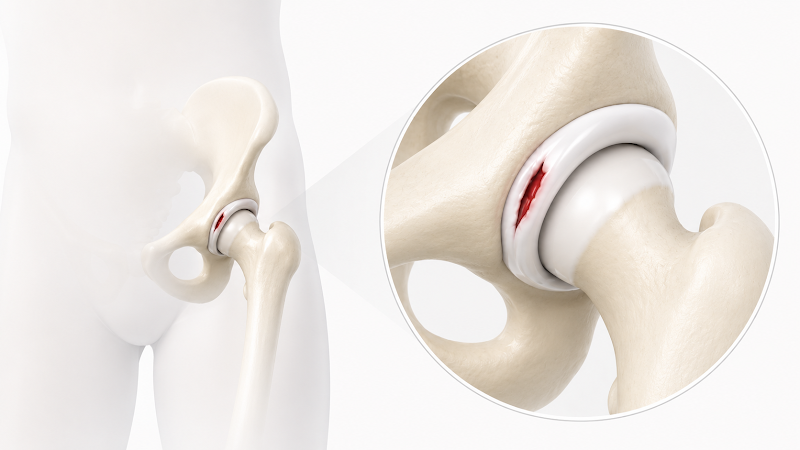
The labrum is a ring of cartilage that helps keep the shoulder joint stable. Tears can occur from trauma or repetitive motion, especially in athletes.
Common sub-types:
- SLAP tear (Superior Labrum Anterior to Posterior)
- Bankart tear
Mild cases may improve with physical therapy, while more severe tears often require arthroscopic surgery to repair the damaged cartilage.
Frozen Shoulder
Frozen shoulder, also known as adhesive capsulitis, is a condition where the shoulder becomes stiff and painful over time. It develops gradually and limits movement significantly.
Common sub-types:
- Freezing stage
- Frozen stage
- Thawing stage
Treatment typically includes stretching exercises, physical therapy, and sometimes injections. Surgery is rarely needed but may be considered in severe cases.
Shoulder Arthritis
Shoulder arthritis occurs when the cartilage in the joint wears down, leading to pain and stiffness. It is more common in older adults.
Common sub-types:
- Osteoarthritis
- Rheumatoid arthritis
- Post-traumatic arthritis
Conservative treatment includes medications and therapy. Advanced cases may require joint replacement surgery.
Ulnar Collateral Ligament Injuries
Although more commonly associated with the elbow, injuries to this ligament are often discussed alongside throwing-related shoulder issues in athletes. Severe cases may lead to procedures such as Tommy John surgery, especially in baseball pitchers.
Common sub-types:
- Partial ligament tear
- Complete ligament rupture
Treatment depends on severity. Rest and rehabilitation may be sufficient for minor injuries, while surgery may be required for athletes seeking full recovery.
Common Causes of Shoulder Injuries
Sports and Athletic Activity
Sports shoulder injuries are extremely common, especially in activities that involve repetitive overhead motion.
- Baseball pitching
- Swimming
- Tennis
- Weightlifting
These repeated motions place stress on the shoulder joint, increasing the risk of tears and inflammation.
Falls and Trauma
A sudden fall or direct impact can lead to serious shoulder injuries such as dislocations or fractures.
- Slipping on ice
- Falling onto an outstretched arm
- Car accidents
- Contact sports collisions
These injuries often require immediate medical evaluation.
Overuse and Repetitive Motion
Even non-athletes can develop shoulder pain from repetitive tasks performed daily.
- Lifting objects at work
- Repetitive reaching or overhead activity
- Poor posture during desk work
Over time, these movements can lead to inflammation and tissue damage.
Age-Related Degeneration
As we age, the tissues in the shoulder naturally wear down. This makes older adults more susceptible to injuries.
- Tendon degeneration
- Cartilage wear
- Reduced joint flexibility
Degenerative conditions often develop slowly but can significantly impact quality of life.
Poor Mechanics and Weak Muscles
Improper movement patterns and muscle imbalances can increase stress on the shoulder joint.
- Weak rotator cuff muscles
- Poor lifting technique
- Lack of flexibility
Correcting these issues is often key to both treatment and prevention.
Shoulder Injury Symptoms
- Pain
Shoulder pain may be sharp or dull and can worsen with movement. It often radiates down the arm or into the neck, depending on the injury. - Stiffness
Many shoulder injuries cause stiffness that limits your ability to move the joint. This is especially common in conditions like frozen shoulders. - Swelling
Inflammation around the joint can lead to visible swelling and tenderness. This may occur after an acute injury or with chronic overuse. - Reduced Range of Motion
Difficulty lifting your arm or reaching behind your back is a key sign of shoulder dysfunction. This can interfere with everyday tasks. - Weakness
You may notice a loss of strength when lifting objects or performing overhead movements. This is often linked to rotator cuff injuries. - Clicking or Popping Sounds
Some people experience grinding or popping sensations in the shoulder. This can indicate cartilage damage or instability. - Sleep Disruption
Shoulder pain often worsens at night, making it difficult to find a comfortable sleeping position.
When To See a Specialist
If you are experiencing any of the following symptoms, it is important to consult an orthopedic shoulder specialist:
- Persistent shoulder pain lasting more than a few weeks
- Severe pain following a fall or injury
- Inability to lift or move your arm normally
- Shoulder instability or repeated dislocations
- Pain that interferes with sleep or daily activities
Delaying care can worsen the condition and make treatment more complex.
Treatment at Academy Orthopaedics
At Academy Orthopaedics, we understand how frustrating and limiting shoulder pain can be. Our goal is to provide personalized, effective shoulder injury treatment that helps you regain strength, mobility, and confidence.
We always begin with conservative, non-operative treatments whenever possible. These may include physical therapy to strengthen the shoulder, anti-inflammatory medications to reduce pain, and guided activity modification to prevent further injury. Many patients find significant relief without the need for surgery.
When conservative care is not enough, our team offers advanced surgical options tailored to your specific condition. Minimally invasive arthroscopic procedures allow us to repair damaged tissues with smaller incisions and faster recovery times. For more complex cases, including severe tears or joint damage, we provide comprehensive surgical solutions performed with precision and care.
Our practice is led by board-certified, fellowship-trained specialists who have extensive experience treating a wide range of shoulder injuries, including sports shoulder injuries. We stay at the forefront of orthopedic advancements to ensure our patients receive the highest level of care.
If shoulder pain is affecting your life, you do not have to manage it alone. Find relief and take the first step toward recovery. Make an appointment with our team today.