
┌──────────────────────────────────────────────────────┐
QUICK SUMMARY
Marathon training can place significant stress on the knees, ankles, feet, hips, and lower back. While occasional muscle soreness is normal, persistent pain, swelling, limping, or discomfort that worsens during running may indicate an injury requiring orthopedic evaluation. Common running injuries include runner’s knee, Achilles tendinitis, stress fractures, and hip injuries.
At Academy Orthopedics, we help runners throughout Wayne, Clifton, Paramus, Morristown, West Orange, Glen Ridge, and surrounding Northern New Jersey communities identify and treat sports-related injuries. Our sports medicine physicians and orthopedic specialists provide personalized evaluations, conservative treatment options, and surgical care when necessary. Early diagnosis can help prevent worsening injuries and support a safer return to running.
└──────────────────────────────────────────────────────┘
Marathon Training and Running Injuries: When Pain Becomes a Warning Sign
Every fall, thousands of runners throughout Northern New Jersey prepare for one of the most anticipated running events in the country: the New York City Marathon. From early morning training runs through Wayne and Clifton to weekend long-distance workouts in Montclair, Morristown, and surrounding communities, marathon preparation becomes a major commitment for experienced athletes and first-time participants alike.
Training for a marathon requires dedication, endurance, and consistency. However, increasing mileage, running longer distances, and repeatedly stressing the same muscles and joints can also increase the risk of orthopedic injuries. What begins as mild knee discomfort or tenderness near the heel can gradually develop into a condition that interferes with training, everyday activities, and long-term mobility.
At Academy Orthopedics, we understand how frustrating it can be to experience pain after spending months preparing for an important race. Runners often feel pressure to continue training despite discomfort, especially when race day is approaching. Unfortunately, ignoring certain symptoms can turn a manageable overuse injury into a more serious orthopedic problem.
Knowing the difference between ordinary post-run soreness and an injury requiring medical attention is essential. Whether you are preparing for your first marathon, competing in a half-marathon, or simply increasing your weekly running distance, understanding common running injuries can help protect your health and performance.
Why Marathon Training Increases the Risk of Orthopedic Injuries
Running is a repetitive, weight-bearing activity that places significant mechanical demands on the body’s muscles, bones, tendons, ligaments, and joints. With every stride, the lower extremities absorb and redistribute forces generated when the foot contacts the ground.
The body normally adapts to these demands through gradual training. Muscles become stronger, bones respond to appropriate loading, and tendons develop greater capacity to tolerate repetitive movement. Problems arise when training demands increase faster than the body’s tissues can recover.
Marathon preparation frequently involves longer runs, additional training days, faster workouts, and increased total weekly mileage. When these changes occur too quickly, the cumulative stress can exceed the body’s ability to repair itself.
First-time marathon runners may be particularly vulnerable because they have less experience recognizing early injury symptoms, managing training intensity, and balancing recovery with increased mileage. However, experienced runners can also develop injuries when returning from inactivity, changing their training routine, or increasing intensity too aggressively.
Several factors can contribute to running-related orthopedic injuries:
- Rapid increases in weekly mileage, running frequency, or workout intensity.
- Inadequate recovery between demanding training sessions.
- Weakness or reduced muscular endurance in the hips, thighs, and calves.
- Previous injuries that have not fully healed.
- Changes in running surfaces, footwear, or training terrain.
- Insufficient nutrition, low energy availability, or poor sleep that interferes with recovery.
For runners throughout Passaic, Bergen, Essex, and Morris counties, seasonal conditions can introduce additional challenges. Uneven sidewalks, hilly neighborhoods, changing temperatures, and transitions between outdoor roads and indoor treadmills can alter the demands placed on the body.
Although these factors do not automatically cause injuries, they can contribute to excessive strain when combined with demanding training schedules.
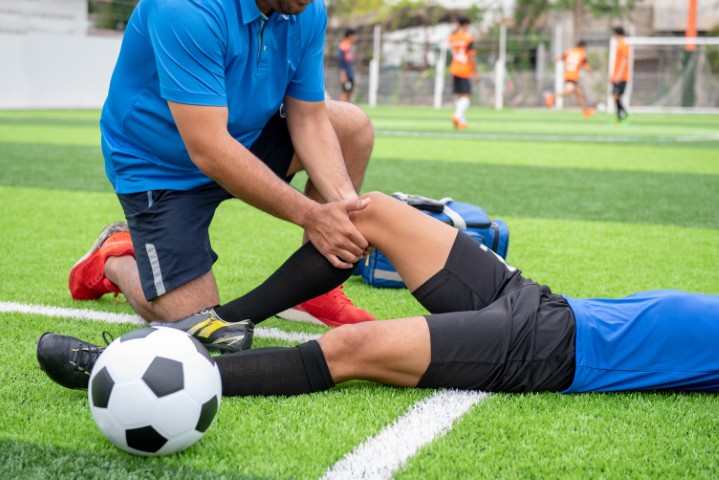
Runner’s Knee: Understanding Pain Around the Kneecap
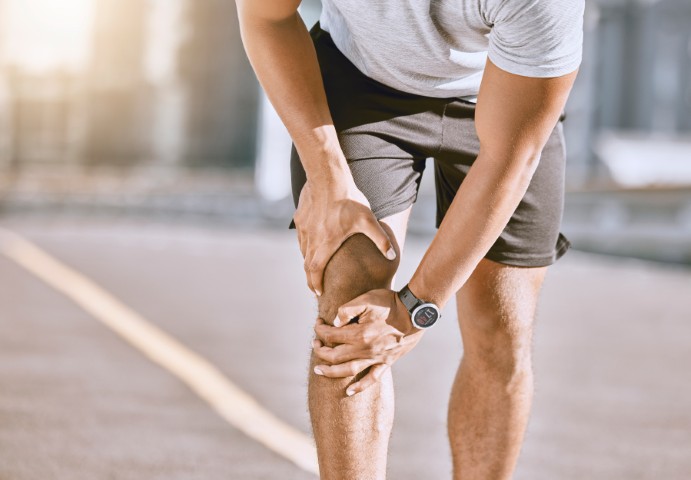
Runner’s knee, medically known as patellofemoral pain syndrome, is one of the most recognizable overuse conditions affecting recreational and competitive runners.
This condition typically causes discomfort around or behind the kneecap, particularly during activities that repeatedly bend and straighten the knee. Runners may notice pain during longer workouts, downhill running, stair climbing, squatting, or sitting with their knees bent for extended periods.
The patellofemoral joint is where the kneecap moves along the groove at the front of the thighbone. When the forces acting across this joint become excessive relative to the tissues’ capacity, irritation and pain can develop.
Runner’s knee is not always caused by a single structural abnormality. Training errors, reduced hip or quadriceps strength, changes in movement mechanics, and sudden increases in activity can all contribute.
For example, a runner training on relatively flat roads in Clifton may begin experiencing discomfort after adding repeated hill workouts to prepare for the New York City Marathon’s bridges and elevation changes. The increased demand on the knee may expose weaknesses or loading problems that were previously unnoticed.
At Academy Orthopedics, evaluating knee pain involves understanding where symptoms occur, how they developed, and which movements reproduce the discomfort. A physical examination can help distinguish patellofemoral pain from other conditions, including meniscus injuries, tendon problems, and joint inflammation.
Treatment frequently begins with conservative strategies, including temporary activity modification, physical therapy, strengthening exercises, and a gradual return to running.
Surgery is generally not necessary for uncomplicated runner’s knee, but persistent symptoms should be evaluated to establish an accurate diagnosis.
Achilles Tendinitis and Tendon Injuries in Marathon Runners
The Achilles tendon connects the calf muscles to the heel bone and plays an essential role in walking, running, jumping, and pushing off the ground.
During distance running, this tendon repeatedly stores and releases energy as the runner moves forward. Increased mileage, speed training, hill workouts, and inadequate recovery can place substantial stress on the tendon.
Achilles tendinopathy, often described as Achilles tendinitis, commonly produces pain or stiffness along the back of the ankle or just above the heel. Symptoms may be especially noticeable during the first steps in the morning or at the beginning of a run.
Some runners experience temporary improvement as the tendon warms up, only to notice increasing soreness after exercise or the following morning.
This pattern can be misleading. Temporary relief during activity does not necessarily mean the tendon is recovering.
Over time, persistent tendon overload may interfere with running mechanics, reduce push-off strength, and make everyday activities uncomfortable.
In more serious cases, the Achilles tendon may partially or completely rupture.
An Achilles rupture may involve a sudden popping sensation, sharp pain behind the ankle, and difficulty pushing off the affected foot. Some individuals describe feeling as though someone struck or kicked the back of their leg.
A suspected rupture requires prompt medical assessment.
Our orthopedic specialists evaluate tendon injuries to determine their severity and identify appropriate treatment options. Depending on the diagnosis, treatment may involve activity modification, structured rehabilitation, and other conservative measures. Certain severe tendon injuries may require surgical repair.
Stress Fractures: When Repeated Running Impacts Injure Bone
A stress fracture is a small crack or area of bone injury that develops when repetitive loading exceeds the bone’s ability to recover and remodel.
Unlike traumatic fractures caused by a sudden fall or collision, running-related stress fractures often develop gradually.
They commonly affect weight-bearing bones, including the tibia in the lower leg and the metatarsals in the foot. Stress injuries can also occur in the fibula, navicular bone, and femoral neck.
One of the earliest symptoms is localized pain that appears during running and improves with rest. As the injury progresses, discomfort may begin earlier in workouts, continue after exercise, or occur during ordinary walking.
A particularly important warning sign is pain concentrated in a small, specific area of bone rather than generalized muscle soreness.
Stress fractures are concerning because continuing to run can worsen the underlying injury. Some high-risk stress fractures may progress to complete fractures or develop healing complications if not managed appropriately.
Runners preparing for fall races may be tempted to continue training because the discomfort initially seems manageable. However, completing another long run while experiencing a developing bone stress injury can significantly delay recovery.
At Academy Orthopedics, our specialists evaluate suspected fractures through a physical examination and appropriate imaging. X-rays may be useful, although early stress fractures are not always visible on standard radiographs. MRI may be recommended when clinical suspicion remains high.
Treatment depends on the affected bone, severity, and individual risk factors. Many stress fractures require a period of reduced or eliminated impact activity, while certain injuries require immobilization, protected weight-bearing, or surgical management.
Hip Pain During Running: More Than Ordinary Muscle Fatigue
Hip discomfort is another common concern among runners who are increasing mileage or participating in prolonged endurance training.
The hips help stabilize the pelvis, absorb mechanical forces, and transfer energy between the lower body and trunk. When muscles surrounding the hip become fatigued or overloaded, running mechanics may change.
Runners may experience pain along the outside of the hip, in the groin, deep within the joint, or near the buttocks.
Lateral hip pain may be associated with gluteal tendon irritation or other soft-tissue conditions. Groin pain can indicate a different problem, potentially involving the hip joint, surrounding muscles, or a bone stress injury.
These conditions cannot always be distinguished based on pain location alone.
A runner training in Morristown or Montclair might initially notice discomfort only after several miles. As the condition progresses, symptoms may appear while climbing stairs, walking uphill, or getting out of a vehicle.
Persistent hip pain should not be dismissed simply because the runner can continue exercising.
Certain hip injuries, particularly femoral neck stress fractures, require prompt attention because delayed diagnosis can result in serious complications.
Our team evaluates hip symptoms through a combination of medical history, movement assessment, physical examination, and imaging when indicated.
Depending on the cause, treatment may include conservative care, rehabilitation, or orthopedic intervention for structural conditions.
Lower Back Pain and the Connection to Running Mechanics
Marathon training does not exclusively affect the legs. Repetitive impact, prolonged activity, muscle fatigue, and altered movement patterns can also contribute to lower back discomfort.
The spine and surrounding muscles help stabilize the torso while the pelvis and lower extremities generate movement. When fatigue develops during long runs, posture and running mechanics may change.
Some runners experience muscular tightness in the lower back, while others develop discomfort associated with irritated joints, discs, or surrounding structures.
Back pain that remains localized and improves with rest may respond to conservative treatment. However, pain accompanied by numbness, tingling, or weakness in the legs deserves medical evaluation.
Severe back pain with new bowel or bladder dysfunction, urinary retention, or numbness in the groin or saddle area requires emergency medical attention.
For Northern New Jersey runners, identifying the actual source of back pain is important because discomfort may originate in the spine, hip, or surrounding muscles.
When Should a Marathon Runner See an Orthopedic Surgeon?
Not every ache after running indicates a serious injury. Muscle soreness following an unusually difficult workout is common, particularly when training intensity increases.
Typical delayed-onset muscle soreness often develops within a day after unfamiliar exercise, peaks over the next day or two, and gradually resolves.
Injury-related pain may behave differently.
Pain that becomes sharper, remains focused in one location, affects normal walking, or repeatedly returns during runs should raise concern.
Runners should consider orthopedic evaluation when they experience:
- Pain that persists despite several days of reduced activity or rest.
- Swelling, significant tenderness, instability, or restricted joint movement.
- Pain that becomes progressively worse during training.
- Limping or changes in running technique caused by discomfort.
- Localized bone pain, particularly when accompanied by pain during walking or at night.
- Sudden tendon pain, a popping sensation, or difficulty bearing weight.
An orthopedic consultation does not automatically mean surgery will be recommended. Orthopedic surgeons also diagnose injuries, guide rehabilitation, and provide nonoperative treatment.
Early evaluation may allow a runner to address a manageable condition before it becomes more difficult to treat.
A suspected fracture, inability to bear weight, major deformity, or sudden loss of tendon function warrants urgent assessment. Severe pain following an injury or symptoms suggesting a medical emergency should be evaluated immediately in an appropriate emergency setting.
How Running Injuries Are Diagnosed at Academy Orthopedics
An accurate diagnosis begins with understanding the runner’s symptoms, training history, and functional limitations.
At Academy Orthopedics, we consider factors such as weekly mileage, recent changes in workout intensity, previous injuries, the timing of symptoms, and the activities that aggravate discomfort.
We also evaluate the affected joint or extremity through a physical examination. Depending on the injury, this may include assessing range of motion, strength, tenderness, stability, and functional movement.
Diagnostic imaging may be appropriate when symptoms suggest a fracture, significant tendon injury, ligament damage, or another structural condition.
X-rays can identify many bone and joint abnormalities, while MRI may provide additional information about soft tissues and bone stress injuries. CT imaging may be appropriate for selected orthopedic conditions.
The purpose of this evaluation is not simply to identify the painful area. We want to understand the underlying problem so treatment can address the injury while supporting the patient’s activity goals.
For marathon runners, these goals may include returning to recreational running, completing a future race, rebuilding endurance, or resuming everyday exercise without recurring pain.
Conservative Treatments for Marathon and Running Injuries
Many running injuries can be successfully managed without surgery.
At Academy Orthopedics, our approach emphasizes selecting the most appropriate treatment for each patient based on the specific diagnosis, severity of symptoms, and functional needs.
Activity modification is often one of the first recommendations. This may involve temporarily reducing mileage, avoiding high-impact workouts, or pausing running while injured tissues recover.
Physical therapy can play an important role in restoring strength, mobility, movement control, and tolerance for physical activity.
For runner’s knee, rehabilitation may focus on strengthening the quadriceps and hip muscles while gradually rebuilding tolerance to running.
For Achilles tendinopathy, an appropriately structured loading program may help improve tendon capacity over time. The exercises and progression must be adapted to the condition, particularly because treatment approaches differ for various tendon injuries.
Certain orthopedic conditions may also benefit from physician-directed medication, supportive devices, or other conservative interventions.
Our sports medicine services include nonsurgical treatment options, physical therapy, fracture management, and selected injection-based treatments when medically appropriate.
Importantly, injections are not suitable for every running injury. For example, corticosteroid injections into the Achilles tendon are generally avoided because of concerns about tendon weakening and rupture.
The correct treatment depends on an accurate diagnosis rather than simply the presence of pain.
When Is Surgery Necessary for a Running Injury?
Although most overuse injuries do not require surgery, certain orthopedic conditions may need an operative approach to restore stability, function, or structural integrity.
Examples include some complete tendon ruptures, displaced fractures, certain high-risk stress fractures, and significant joint injuries that do not respond adequately to appropriate nonsurgical care.
At Academy Orthopedics, our board-certified, fellowship-trained orthopedic specialists provide advanced surgical and nonsurgical treatment for sports-related injuries.
Our surgical services include arthroscopic procedures, tendon repair, knee repair and preservation, and fracture and trauma care.
Arthroscopy allows surgeons to evaluate and treat selected joint problems using a camera and specialized instruments inserted through small incisions.
For runners with certain meniscus injuries, cartilage problems, or other structural joint abnormalities, arthroscopic treatment may be considered when clinically indicated.
However, surgery is not a universal solution for running-related pain. We carefully review each patient’s findings, treatment options, anticipated recovery, and long-term goals before recommending an operative procedure.
Returning to Running Safely After an Orthopedic Injury
One of the most common questions injured runners ask is when they can resume training.
The answer depends on the diagnosis, severity of injury, response to treatment, and physical demands of the intended activity.
Returning to running too early can aggravate healing tissues and increase the possibility of reinjury.
For many soft-tissue conditions, a gradual return begins once everyday activities are comfortable, relevant strength and mobility have improved, and the athlete can tolerate progressive loading without a significant increase in symptoms.
A rehabilitation plan may start with walking before advancing to alternating periods of walking and jogging.
Distance and intensity should generally increase gradually, with appropriate recovery between sessions.
A runner recovering from a stress fracture requires a different approach. Before impact activity resumes, the treating clinician must consider evidence of healing, the location of the injury, symptoms during walking, and the risk of further bone damage.
There is no single return-to-running schedule that works for every injury.
At Academy Orthopedics, our goal is to help patients understand what their bodies can safely tolerate and how to progress toward their desired level of activity.
Preventing Running Injuries Before the New York City Marathon
Injury prevention begins long before race day.
Runners preparing for the New York City Marathon often spend months developing endurance, but the most successful preparation plans also account for recovery and musculoskeletal health.
Gradually increasing training volume allows muscles, tendons, and bones time to adapt to repetitive loading.
Instead of making sudden changes to mileage or intensity, runners should consider their recent training history, physical conditioning, and previous injuries when planning workouts.
Strength training is another important component of injury prevention. Developing strength in the hips, quadriceps, hamstrings, calves, and trunk can improve the body’s ability to tolerate running demands.
Recovery is equally important. Adequate sleep, balanced nutrition, appropriate hydration, and rest periods support the body’s response to exercise.
For runners living in Wayne, Paramus, Clifton, or West Orange, training may involve a combination of local road routes, neighborhood hills, parks, and treadmill workouts. Transitions between different terrain and running conditions should be introduced thoughtfully rather than all at once.
It is also important to avoid making major changes to footwear or training routines immediately before a race.
Perhaps most importantly, runners should recognize that persistent pain is useful information. Adjusting a training schedule because of early symptoms may prevent a minor problem from developing into a prolonged injury.
Orthopedic Sports Medicine and Running Injury Treatment in Northern New Jersey
At Academy Orthopedics, we provide comprehensive orthopedic care for active individuals throughout Northern New Jersey.
Our practice serves patients in Wayne, Clifton, Paramus, Morristown, Glen Ridge, West Orange, and nearby communities throughout Passaic, Bergen, Essex, and Morris counties.
Our sports medicine physicians and orthopedic surgeons evaluate a wide variety of musculoskeletal conditions, including ligament injuries, tendon injuries, fractures, joint pain, and other sports-related orthopedic problems.
We offer comprehensive orthopedic examinations, diagnostic imaging when appropriate, individualized treatment planning, physical therapy recommendations, conservative orthopedic care, and surgical treatment for conditions that require intervention.
Our orthopedic specialists also have experience caring for athletes participating in competitive and recreational sports. This includes providing orthopedic care for individuals whose goals range from maintaining an active lifestyle to returning to demanding athletic competition.
Runners dealing with persistent knee pain, suspected bone stress injuries, tendon discomfort, or hip problems can benefit from an individualized evaluation that considers both the injury and the demands of distance running.
We believe effective orthopedic care should address more than immediate symptom relief. It should also help patients understand their condition, reduce the risk of avoidable complications, and make informed decisions about their recovery.
Should You Run a Marathon If You Are Already Injured?
Deciding whether to participate in an upcoming marathon while experiencing pain can be emotionally difficult.
Months of training, financial commitments, travel arrangements, and personal goals may make withdrawing from a race feel disappointing.
However, continuing to run through a significant injury can lead to more serious consequences.
A runner with mild, improving muscular discomfort may have a very different risk profile than someone experiencing localized bone pain, joint instability, or symptoms suggesting a tendon tear.
Stress fractures are particularly concerning because repetitive impact can worsen the injury. Running through an Achilles tendon problem or significant knee injury may also lead to prolonged recovery or additional damage.
The safest decision depends on the actual diagnosis rather than the runner’s motivation or pain tolerance.
If you are experiencing persistent symptoms before a marathon, an orthopedic evaluation can help determine whether continued running is appropriate.
Sometimes modifying training is sufficient. Other times, postponing a race is the best way to protect long-term mobility and future athletic opportunities.
Completing one marathon should never come at the expense of your ability to remain active for years to come.
Protect Your Long-Term Running Health With Academy Orthopedics
Training for a marathon is an accomplishment that requires physical preparation, mental determination, and a consistent commitment to improving endurance. However, recognizing when discomfort signals an injury is just as important as building mileage or achieving a personal record.
Runner’s knee, Achilles tendon injuries, stress fractures, and hip pain can affect athletes of every experience level. While many conditions respond well to conservative treatment, others require prompt orthopedic evaluation to prevent worsening damage and prolonged recovery.
At Academy Orthopedics, we are committed to helping runners throughout Wayne, Clifton, Paramus, Morristown, West Orange, Glen Ridge, and surrounding Northern New Jersey communities stay active through personalized, evidence-based orthopedic care.
Whether you are preparing for the New York City Marathon, recovering from a recent race, or dealing with persistent pain during your regular running routine, our orthopedic specialists can help you understand your condition and explore appropriate treatment options.
If running pain is interfering with your training or daily activities, contact Academy Orthopedics at (973) 446-7500 to schedule an evaluation and take the next step toward a safe, confident return to running.
Frequently Asked Questions About Marathon and Running Injuries
1. How do I know if my knee pain is runner’s knee or a more serious injury?
Runner’s knee typically causes pain around or behind the kneecap, especially during running, stair climbing, squatting, or prolonged sitting. However, meniscus injuries, tendon problems, and other knee conditions can produce overlapping symptoms. Swelling, locking, instability, severe pain, or difficulty bearing weight may suggest a different problem. At Academy Orthopedics, we evaluate knee symptoms through a physical examination and appropriate diagnostic testing to determine the underlying cause.
2. Should I stop running if my Achilles tendon hurts?
Persistent Achilles tendon pain should not be ignored. Continuing high-impact activity through worsening symptoms may aggravate the tendon and prolong recovery. Temporarily reducing or stopping running is often appropriate until the condition can be evaluated. Sudden sharp pain, a popping sensation, or difficulty pushing off the foot may indicate a rupture requiring prompt medical attention.
3. Can a stress fracture heal without surgery?
Many stress fractures heal with nonsurgical treatment, including impact avoidance, activity modification, and sometimes immobilization or protected weight-bearing. However, recovery depends on the affected bone, severity, and individual risk factors. Certain high-risk stress fractures may require surgical treatment. An orthopedic evaluation is important because returning to running before adequate healing can worsen the injury.
4. Why does my hip hurt after long-distance running?
Hip pain after running may result from muscular overload, tendon irritation, joint problems, or bone stress injuries. The location and pattern of discomfort can provide important clues, but an examination is often necessary to determine the cause. Groin pain that worsens with weight-bearing deserves particular attention because it can sometimes indicate a femoral neck stress injury.
5. When should I see an orthopedic specialist for running injuries in Wayne, NJ?
Runners in Wayne and surrounding Passaic County communities should consider orthopedic evaluation when pain persists, worsens with activity, causes limping, or interferes with everyday movement. Swelling, joint instability, localized bone tenderness, and sudden tendon injuries are additional reasons to seek assessment. Academy Orthopedics provides sports medicine and orthopedic services for patients throughout Wayne and nearby Northern New Jersey communities.
6. Is it normal for my knees to hurt after marathon training?
Temporary muscular soreness can occur after strenuous exercise, but ongoing joint pain should not automatically be considered normal. Knee discomfort that repeatedly returns, becomes increasingly severe, or changes your walking or running mechanics may indicate an overuse injury or another orthopedic condition. Identifying the cause early can help guide treatment and prevent unnecessary aggravation.
7. How long does it take to recover from a marathon running injury?
Recovery varies considerably depending on the injury. Mild soft-tissue irritation may improve within weeks, while significant tendon injuries, stress fractures, and surgical conditions may require several months or longer. Recovery also depends on training history, overall health, rehabilitation progress, and the demands of returning to running. A personalized treatment plan provides more useful guidance than a general recovery estimate.
8. Can physical therapy help me return to running after an injury?
Physical therapy is frequently an important part of recovery from running injuries. Rehabilitation may address muscular weakness, restricted mobility, reduced joint control, and impaired tolerance for exercise. At Academy Orthopedics, conservative orthopedic treatment and physical therapy are important components of individualized sports injury care. The appropriate rehabilitation program depends on the diagnosis and stage of healing.
9. Do I need an MRI for persistent pain after running?
Not every running injury requires MRI. Many conditions can initially be evaluated through medical history, a physical examination, and, when appropriate, X-rays. MRI may be recommended when a stress fracture, tendon tear, cartilage injury, or another condition remains suspected despite initial evaluation. Our orthopedic specialists determine which imaging studies are clinically appropriate based on the patient’s symptoms and examination findings.
10. Where can marathon runners in Northern New Jersey receive orthopedic care?
Academy Orthopedics provides orthopedic and sports medicine services at locations throughout Northern New Jersey, including Wayne, Clifton, Paramus, Morristown, Glen Ridge, and West Orange. We evaluate sports-related knee pain, tendon injuries, fractures, and other musculoskeletal conditions affecting runners. Our physicians develop personalized treatment plans that may include conservative care, rehabilitation, or surgical intervention when necessary. Runners can contact our practice to schedule an orthopedic consultation.