
┌──────────────────────────────────────────────────────┐
QUICK SUMMARY
Fall football and soccer seasons bring an increased risk of knee and ankle injuries, including ligament sprains, ACL tears, meniscus damage, and fractures. Knowing when to visit urgent care, seek emergency treatment, or schedule an orthopedic evaluation can help prevent complications and support a safer recovery.
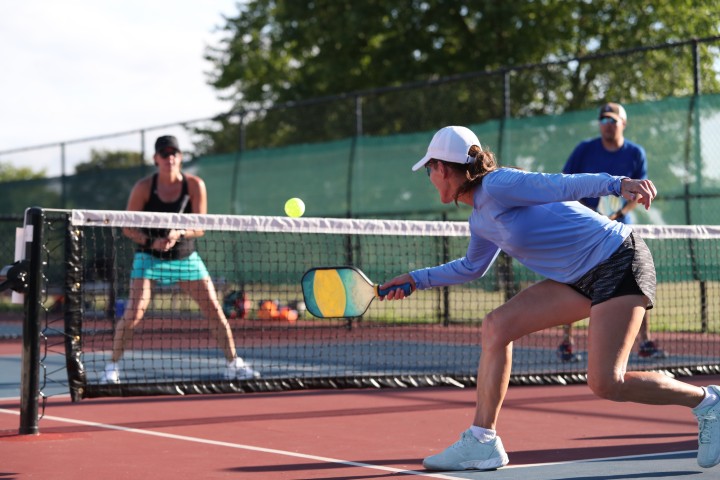
At Academy Orthopedics, our board-certified orthopedic specialists provide sports medicine, fracture care, knee preservation treatments, and rehabilitation guidance for athletes throughout northern New Jersey. Whether you are a student athlete preparing for a homecoming game, a competitive soccer player, or an active adult participating in weekend sports, recognizing the warning signs of a serious injury is the first step toward protecting your long-term mobility.
└──────────────────────────────────────────────────────┘
Fall Sports Season in New Jersey: Understanding the Risk of Knee and Ankle Injuries
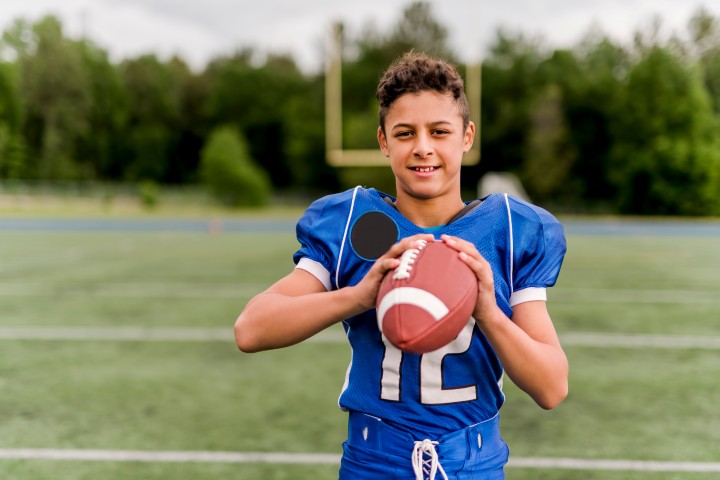
As autumn arrives in northern New Jersey, football fields and soccer complexes become busy with practices, homecoming games, school competitions, and weekend tournaments. From high school football programs in Wayne and Clifton to competitive soccer leagues in Montclair, Paramus, and Morristown, athletes spend countless hours running, cutting, tackling, jumping, and competing. While these activities promote physical fitness, teamwork, and athletic development, they also place considerable stress on the knees and ankles.
At Academy Orthopedics, we understand how frustrating a sports injury can be, especially when it happens during an important game or near the end of a competitive season. A sudden twist of the knee, an awkward landing, or a hard collision can leave an athlete wondering whether the injury is a simple sprain or something that requires specialized medical attention.
One of the most important questions athletes and parents face is whether they should visit an urgent care center, go directly to an emergency department, or schedule an appointment with an orthopedic specialist. The answer depends on the severity of the symptoms, the type of injury, and whether there are signs of structural damage.
Some sports injuries respond well to rest, temporary activity modifications, and rehabilitation. Others involve torn ligaments, damaged cartilage, or broken bones that require more comprehensive evaluation and treatment.
Our goal at Academy Orthopedics is to help athletes throughout Passaic, Essex, Bergen, and Morris counties understand their injuries, recognize concerning symptoms, and make informed decisions about their orthopedic health.
Why Football and Soccer Cause So Many Knee and Ankle Injuries
Football and soccer are physically demanding sports involving frequent changes in speed, direction, and body position. Both require athletes to accelerate rapidly, stop suddenly, pivot under pressure, and maintain balance while moving across grass or artificial turf.
During football games, players may experience direct contact with another athlete, awkward twisting movements during tackles, or forceful impacts while their feet remain planted. These situations can place substantial pressure on the ligaments, cartilage, and bones surrounding the knee.
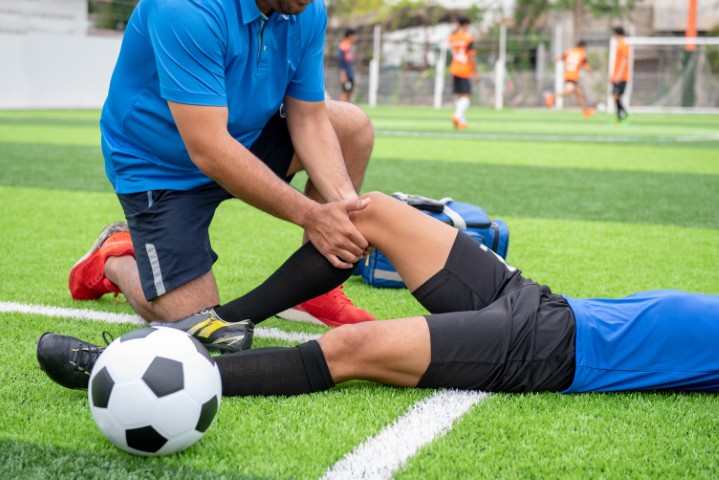
Soccer players face similar challenges, although injuries frequently occur without direct contact. A player may plant one foot while changing direction, rotate the knee while attempting to avoid an opponent, or land awkwardly after jumping for a header.
The ankle is particularly vulnerable during running, cutting, and landing movements. When the foot unexpectedly rolls inward or outward, the ligaments responsible for stabilizing the ankle may become stretched or torn.
Fall conditions can add additional challenges. Wet grass, uneven playing surfaces, and changes in traction between natural grass and artificial turf may affect how an athlete moves. Fatigue from repeated practices, tournaments, and insufficient recovery can also compromise coordination and movement control.
For young athletes in northern New Jersey, crowded fall schedules may involve school practices during the week and travel soccer competitions on weekends. When the body does not have sufficient time to recover, repetitive stress and accumulated fatigue may contribute to injury risk.
Understanding these mechanisms helps athletes recognize why a seemingly ordinary movement can sometimes produce a significant orthopedic injury.
Sprain, Tear, or Fracture: Understanding the Differences
Although the terms sprain, tear, and fracture are sometimes used interchangeably in everyday conversations, they describe different types of injuries. Identifying the structures involved is essential for determining appropriate treatment.
What Is a Sprain?
A sprain occurs when a ligament becomes stretched or torn. Ligaments are strong bands of connective tissue that stabilize joints by connecting bones.
Ankle sprains are common among football and soccer players, particularly when an athlete lands on another player’s foot or rolls the ankle during a quick change of direction.
Knee sprains can involve several ligaments, including the medial collateral ligament (MCL), which helps stabilize the inner portion of the knee.
Mild sprains may produce limited swelling and tenderness while allowing the athlete to walk. More severe sprains may cause substantial pain, instability, and difficulty bearing weight.
Importantly, a severe sprain can involve a complete ligament tear. The term sprain does not automatically mean the injury is minor.
What Is a Ligament or Meniscus Tear?
A ligament tear involves partial or complete disruption of the fibers that stabilize a joint. One of the most recognized knee injuries in sports is an anterior cruciate ligament (ACL) tear.
ACL injuries frequently occur when an athlete pivots, decelerates suddenly, or lands with poor knee alignment. Some athletes report hearing or feeling a pop, followed by rapid swelling and difficulty continuing their activity.
The meniscus is a structure made of cartilage that helps distribute forces within the knee. Meniscus tears can occur during twisting movements, particularly when the foot stays planted while the knee rotates.
Symptoms may include joint-line pain, swelling, catching, locking, or difficulty fully straightening the knee.
Because ligament and meniscus injuries can occur together, a detailed orthopedic examination is important when symptoms suggest damage to multiple structures.
What Is a Fracture?
A fracture is a break in a bone. Sports-related fractures may occur after a direct collision, an awkward landing, or a forceful twisting injury.
Ankle fractures can sometimes resemble severe ankle sprains because both may cause pain, swelling, bruising, and difficulty walking.
Knee injuries can also involve fractures of the kneecap or bones surrounding the joint.
In some cases, an athlete may still be able to walk despite having a fracture. The ability to bear weight does not completely rule out a broken bone.
For children and adolescents, injuries involving growing bones may affect the growth plate, an area of developing tissue near the ends of certain bones. These injuries deserve careful evaluation because they can sometimes resemble ordinary sprains.
When Should You Go to Urgent Care After a Sports Injury?
Urgent care centers can be appropriate for certain sports injuries when the athlete is medically stable but needs a prompt examination.
For example, an athlete who twists an ankle during a soccer match and develops moderate swelling or pain may benefit from an urgent care assessment, particularly if walking is uncomfortable or a fracture is possible.
An urgent care clinician may perform a physical examination, determine whether X-rays are indicated, and recommend initial protective measures. However, available imaging and treatment capabilities vary by facility.
Urgent care may be reasonable for injuries involving:
- New knee or ankle pain, swelling, or bruising without major deformity or other emergency warning signs.
- A suspected mild or moderate sprain that still requires medical assessment.
- Localized tenderness after a fall or twisting movement, especially when a fracture needs to be ruled out.
- Persistent discomfort after a sports injury when immediate specialist access is unavailable.
It is important to recognize that urgent care may be the starting point rather than the final destination for treatment.
X-rays can identify many fractures, but they do not directly show most ligament and meniscus injuries. An athlete may receive normal X-ray results while still having a significant ACL tear, meniscus injury, or other soft tissue damage.
If symptoms continue, the knee feels unstable, or the athlete cannot return to normal movement, an orthopedic evaluation may be necessary.
When Should You See an Orthopedic Surgeon?
An orthopedic surgeon specializes in diagnosing and treating conditions involving bones, joints, ligaments, tendons, muscles, and other structures of the musculoskeletal system.
Despite the title, orthopedic surgeons do not recommend surgery for every injury. Many sports-related conditions can be treated successfully through nonoperative approaches, including physical therapy, activity modification, bracing, and carefully planned rehabilitation.
At Academy Orthopedics, we consider both surgical and nonsurgical options based on the injury, the patient’s functional needs, and the available clinical evidence.
A specialized orthopedic evaluation is particularly important when a knee or ankle injury produces persistent instability, significant swelling, mechanical symptoms, or difficulty returning to normal activities.
An athlete who experiences a popping sensation in the knee followed by rapid swelling should seek prompt medical assessment because these symptoms can indicate an ACL injury or other serious internal knee damage.
Likewise, repeated ankle sprains, ongoing ankle instability, or pain that does not improve as expected may require additional investigation.
For athletes in Wayne, Clifton, Montclair, and surrounding communities, obtaining an accurate diagnosis early can help prevent premature return to sports and reduce the likelihood of aggravating an existing injury.
When Is a Sports Injury a Medical Emergency?
Some injuries require immediate emergency department care rather than an urgent care appointment or routine orthopedic consultation.
A visibly deformed knee or ankle, an open wound with exposed bone, or an injury involving severe uncontrolled bleeding may indicate serious trauma.
Loss of sensation, unusual coldness, or a pale or blue foot can suggest compromised nerves or circulation. These findings require immediate emergency evaluation.
Severe pain associated with rapidly increasing swelling, particularly when accompanied by numbness or extreme tightness, also warrants urgent medical attention.
An inability to bear weight after a significant collision or fall should receive prompt assessment. Depending on the mechanism and accompanying symptoms, emergency department evaluation may be appropriate.
For suspected dislocations, athletes and bystanders should avoid attempting to force the joint back into position.
A serious injury should never be dismissed simply because an athlete wants to finish the game.
Early recognition and appropriate medical attention can make a meaningful difference in preventing complications and protecting long-term joint function.
Common Knee Injuries During Fall Football and Soccer Season
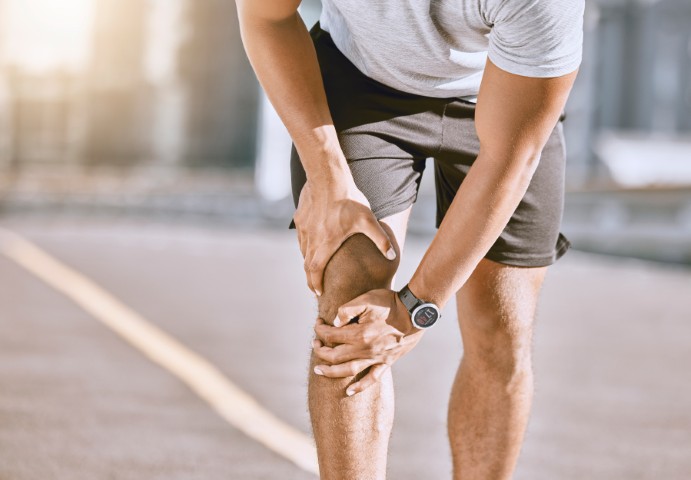
Knee injuries are among the most concerning orthopedic conditions affecting football and soccer players because the knee depends on several interconnected structures for stability and movement.
An ACL tear may occur when an athlete plants a foot and suddenly changes direction. The ligament helps control forward movement and rotation of the shinbone relative to the thighbone. When it tears, the knee may become unstable during cutting, pivoting, or landing.
MCL injuries frequently occur when force is applied to the outside of the knee, placing stress on the ligament along the inner portion of the joint. These injuries may happen during football tackles or collisions between soccer players.
Meniscus tears can occur independently or alongside ligament damage. Because the meniscus helps distribute weight and absorb forces across the knee, damage may interfere with comfortable movement and normal joint mechanics.
Not all knee injuries involve a single traumatic event. Patellar tendinopathy, commonly associated with repeated jumping and running, may develop gradually during a demanding athletic season.
At Academy Orthopedics, we evaluate knee injuries by considering the athlete’s symptoms, the mechanism of injury, joint stability, range of motion, and functional limitations. When appropriate, imaging studies can provide additional information about the structures involved.
Common Ankle Injuries in Football and Soccer Players
The ankle provides stability while accommodating the rapid movements required in competitive athletics. Unfortunately, these demands also make it susceptible to injury.
Lateral ankle sprains are particularly common. They generally occur when the foot rolls inward, placing excessive tension on ligaments along the outside of the ankle.
High ankle sprains involve ligaments connecting the tibia and fibula above the ankle joint. These injuries may occur when the foot rotates forcefully outward relative to the leg and often require a more prolonged recovery than uncomplicated lateral ankle sprains.
Ankle fractures can occur during collisions, awkward landings, or twisting movements. They may involve one or more bones around the joint and can sometimes be associated with ligament damage.
Achilles tendon injuries are another concern for active adults and competitive athletes. A sudden push-off while sprinting may produce an Achilles tendon rupture, which can cause a popping sensation and difficulty pushing off the injured foot.
At Academy Orthopedics, our fracture and trauma specialists evaluate lower-extremity injuries and help determine whether immobilization, rehabilitation, or surgical treatment is appropriate.
What Should You Do Immediately After a Knee or Ankle Injury?
The actions taken immediately after an injury can help protect the affected joint and prevent additional damage.
First, the athlete should stop playing. Continuing to run on an unstable knee or painful ankle may aggravate an existing injury.
The injured area should be protected from activities that increase pain. Ice may be applied for short periods to help manage discomfort and swelling, with a towel placed between the cold pack and skin.
Compression and elevation may also provide symptom relief when appropriate, although compression should not be excessively tight.
Athletes should avoid attempting to stretch or manipulate a severely injured joint. If walking is painful or unstable, limiting weight-bearing activity until medical assessment is appropriate.
Over-the-counter pain medications may help some individuals, but their suitability depends on age, medical history, and other medications.
It is also important to monitor symptoms over the following hours. Significant swelling, increasing pain, instability, or difficulty moving the joint should prompt medical evaluation.
Sports Medicine and Orthopedic Treatment at Academy Orthopedics
At Academy Orthopedics, we provide comprehensive orthopedic and sports medicine care for athletes throughout northern New Jersey. Our practice has served the region since 1982, offering specialized treatment for orthopedic injuries and musculoskeletal conditions.
Our team includes board-certified orthopedic surgeons, sports medicine physicians, and specialists with advanced training in fracture and trauma care.
Our available services include sports injury evaluations, fracture management, ligament and tendon injury treatment, knee repair and preservation, and nonoperative orthopedic care.
For athletes with ACL or meniscus injuries, our specialists may recommend conservative treatment or discuss procedures such as knee arthroscopy and ACL reconstruction when clinically appropriate.
We also provide rehabilitation-focused treatment planning designed to improve strength, mobility, joint stability, and functional movement.
Conservative care may include activity modification, medication, splinting, physical therapy, and other appropriate nonsurgical interventions.
Our physicians evaluate each injury individually rather than assuming that every ligament tear or fracture requires surgery.
For patients with more complex injuries, specialized imaging and surgical consultation may help clarify treatment options.
We offer orthopedic services through our New Jersey locations in Wayne, Clifton, Morristown, Glen Ridge, West Orange, Paramus, and Totowa. Same-day and next-day orthopedic appointments may be available at our Wayne and Clifton locations for urgent fracture and trauma concerns.
Our objective is to help athletes understand their diagnosis, receive appropriate treatment, and work toward a safe return to the activities they enjoy.
How Long Does It Take to Recover From a Sports-Related Knee or Ankle Injury?
Recovery time depends on the severity of the injury, the structures involved, the patient’s overall health, and the treatment approach.
A mild ankle sprain may improve substantially within one to three weeks, although full recovery and a safe return to competitive sports may take longer.
Moderate or severe ligament injuries often require several weeks or months of rehabilitation. High ankle sprains may require additional recovery time because of the structures responsible for ankle stability.
An uncomplicated fracture commonly requires approximately six to eight weeks for initial bone healing, although some fractures take longer and athletes may need additional rehabilitation before returning to competition.
ACL reconstruction generally involves an extended rehabilitation process. For athletes returning to cutting and pivoting sports, recovery often takes nine to twelve months or longer, depending on strength, movement quality, functional testing, and individual progress.
There is no single recovery timeline that applies to every athlete. Returning too early may increase the risk of reinjury.
At Academy Orthopedics, we emphasize individualized recovery planning and appropriate rehabilitation milestones rather than relying exclusively on a predetermined number of weeks.
Preventing Knee and Ankle Injuries During New Jersey’s Fall Sports Season
Although not every sports injury can be prevented, appropriate preparation can help reduce certain risks.
Athletes should begin the season with sufficient conditioning and gradually increase training intensity. Strengthening the muscles surrounding the knees, hips, and ankles can improve movement control and joint support.
Neuromuscular training programs that incorporate balance, jumping mechanics, landing technique, and controlled changes of direction have demonstrated benefits in reducing certain lower-extremity injuries, including ACL injuries.
Soccer players may benefit from structured warm-up programs that emphasize lower-body strength, coordination, and proper movement mechanics.
Football players should focus on appropriate tackling techniques, conditioning, and maintaining control during contact.
Rest and recovery are equally important. Athletes participating in several practices or tournaments each week should be mindful of fatigue, persistent discomfort, and changes in performance.
Young athletes should not feel pressured to compete through injuries that interfere with normal walking, running, or joint stability.
Parents, coaches, and athletic trainers play an important role in recognizing concerning symptoms and encouraging timely medical care.
For families throughout Passaic, Bergen, Essex, and Morris counties, proactive injury prevention can support a healthier and more successful athletic season.
Why Early Orthopedic Evaluation Matters for Young Athletes
Children and adolescents have unique orthopedic considerations because their bones and musculoskeletal systems are still developing.
In growing athletes, the growth plates may be more vulnerable to certain injuries than surrounding ligaments. A twisting injury that produces a ligament sprain in an adult may sometimes cause a growth plate injury in a child.
Young athletes may also have difficulty describing exactly where pain originates or explaining the sensation they experienced during an injury.
A child who develops persistent swelling, a limp, or difficulty bearing weight after football or soccer should be evaluated rather than encouraged to simply walk it off.
Delayed recognition of certain fractures, ligament injuries, or cartilage damage can complicate recovery.
Our orthopedic specialists consider age, skeletal maturity, activity level, and individual treatment needs when evaluating sports-related injuries.
Early assessment also helps athletes and families develop realistic expectations about recovery and return-to-play decisions.
Returning to Football or Soccer After an Injury
Returning to sports involves more than waiting for swelling to disappear or pain to improve.
An athlete should regain adequate range of motion, strength, balance, coordination, and stability before participating in demanding activities.
For football and soccer players, rehabilitation may eventually involve running, deceleration, cutting, pivoting, jumping, and controlled sport-specific movements.
Athletes recovering from significant ligament injuries may require functional testing to assess whether the injured leg can tolerate the demands of competition.
Mental readiness is also important. After a serious knee injury, some athletes feel hesitant about cutting, landing, or competing at full intensity.
A gradual return-to-sport progression allows athletes to rebuild confidence while monitoring their response to increasing physical demands.
At Academy Orthopedics, we work to help patients understand appropriate recovery milestones and the importance of avoiding premature return to play.
Expert Sports Injury Care for Athletes Across Northern New Jersey
Fall sports should provide opportunities for competition, physical development, and enjoyment, not unnecessary long-term joint problems. Whether an injury occurs during a high school football game in Wayne, a weekend soccer tournament in Clifton, or an adult recreational match in Montclair, understanding when to seek medical attention can make a meaningful difference in recovery.
At Academy Orthopedics, we are committed to providing comprehensive, personalized care for athletes experiencing knee pain, ankle injuries, ligament damage, fractures, and other orthopedic conditions. Our sports medicine physicians and orthopedic surgeons combine specialized training with evidence-based treatment approaches to help patients protect their mobility and return to their activities safely.
If you or a family member experiences a football or soccer injury that causes persistent pain, swelling, instability, or difficulty walking, contact Academy Orthopedics to schedule an orthopedic evaluation. Our team is here to help you understand your injury, explore appropriate treatment options, and take the next step toward recovery.
Frequently Asked Questions About Football and Soccer Knee and Ankle Injuries
1. How do I know if my knee injury is a sprain or an ACL tear?
An ACL tear may cause a popping sensation, rapid swelling, instability, and difficulty continuing athletic activity. A mild sprain may produce less swelling and discomfort, but symptoms can overlap. An orthopedic examination and, when appropriate, an MRI can help determine whether the ACL or another structure has been damaged.
2. Should I go to urgent care or an orthopedic surgeon for a sprained ankle?
Urgent care can be appropriate for an initial assessment of a painful or swollen ankle, especially when a fracture needs to be excluded. An orthopedic specialist is particularly helpful when symptoms are severe, instability persists, or the injury does not improve as expected. Obvious deformity, circulation problems, or an open fracture require emergency department evaluation.
3. Can I walk on a fractured ankle?
Some individuals can walk despite having an ankle fracture. The ability to bear weight does not completely rule out a broken bone. Significant tenderness over the bones of the ankle, swelling, bruising, or difficulty taking several steps should prompt medical assessment and consideration of imaging.
4. What does it mean if my knee pops during a soccer game?
A popping sensation may occur with a ligament injury, meniscus tear, or other joint injury. If the pop is followed by swelling, instability, pain, or difficulty walking, the athlete should stop playing and seek medical evaluation. A pop alone does not establish a diagnosis.
5. Can a torn ACL heal without surgery?
A complete ACL tear generally does not heal back to its original anatomy on its own. However, some patients can function well with structured rehabilitation and nonsurgical management, depending on the injury and their activity goals. Athletes participating in pivoting sports such as football and soccer may need to consider reconstruction, particularly when instability persists.
6. How long should I rest after a soccer ankle sprain?
Recovery depends on the severity of the sprain. Mild injuries may improve within a few weeks, while more serious ligament injuries may require substantially longer rehabilitation. Athletes should return to soccer based on strength, balance, range of motion, stability, and functional readiness rather than pain relief alone.
7. Can a meniscus tear heal without orthopedic surgery?
Some meniscus tears can be managed without surgery, especially when symptoms are limited and the knee remains stable. Healing potential depends partly on the tear’s location and blood supply. Persistent catching, locking, swelling, or mechanical symptoms may require further evaluation to determine whether surgical treatment is appropriate.
8. Where can I see an orthopedic specialist for a football injury near Wayne or Clifton, NJ?
Academy Orthopedics provides sports medicine and orthopedic care in Wayne and Clifton, along with several additional northern New Jersey locations. Our team evaluates knee injuries, ligament tears, fractures, and other sports-related conditions. Same-day or next-day appointments may be available for certain urgent orthopedic concerns.
9. Are young soccer players more likely to experience growth plate injuries?
Children and adolescents have open growth plates that can be vulnerable during falls, collisions, and twisting injuries. In some cases, a growth plate injury may resemble a sprain. Persistent pain, swelling, or difficulty walking after an injury should be evaluated to help identify possible fractures or other damage.
10. How can football and soccer players reduce their risk of knee and ankle injuries?
Athletes can reduce certain injury risks through structured warm-ups, strengthening exercises, balance training, proper landing techniques, and appropriate conditioning. Adequate rest and gradual increases in training intensity are also important. Although these measures cannot prevent every injury, they support joint stability and healthier movement patterns.