
Shoulder care often presents a meaningful choice: maintain the shoulder’s existing structure through non-surgical strategies, or restore damaged tissue through surgical repair. Neither path is universally better. The right approach depends on what is actually wrong with the shoulder, how far along the problem has progressed, and what the person needs the shoulder to do in daily life, work, or sport. Understanding the general goals of each path makes it easier to have a productive conversation with a provider about which direction makes sense for a particular situation.
What Shoulder Preservation and Repair Aim to Achieve
Preservation strategies focus on keeping the shoulder’s native anatomy and function intact. The goal is to manage pain, reduce inflammation, and maintain range of motion and strength without altering the structural components of the joint. This typically involves a combination of physical therapy, activity modification, and sometimes targeted injections or other non-operative interventions. The underlying assumption is that the shoulder’s tissues are still fundamentally sound and can be coaxed back into a functional, pain-free state.
Surgical repair, by contrast, addresses structural damage that is unlikely to resolve on its own. When a tendon has torn completely, a labrum is detached, or a mechanical problem is interfering with how the joint moves, the goal shifts from managing symptoms to restoring the anatomy that was disrupted. Repair procedures aim to re-establish the mechanical integrity of the shoulder so it can function as it did before the injury or degeneration occurred.
In practice, the two concepts are not always cleanly separated. A shoulder with a partial tear may respond well to a preservation-focused program, while a shoulder with a full-thickness tear may require surgical intervention even if the patient initially tried conservative measures first. The distinction also shifts depending on disease stage. Early changes in the rotator cuff, for instance, may be well suited to non-operative management, while advanced degeneration with significant muscle atrophy may present a different set of options altogether.
Conditions That Influence Preservation Considerations
Several types of shoulder problems are commonly managed with preservation-focused strategies, particularly when the underlying structure is still largely intact.
Tendinopathy and Rotator Cuff Irritation
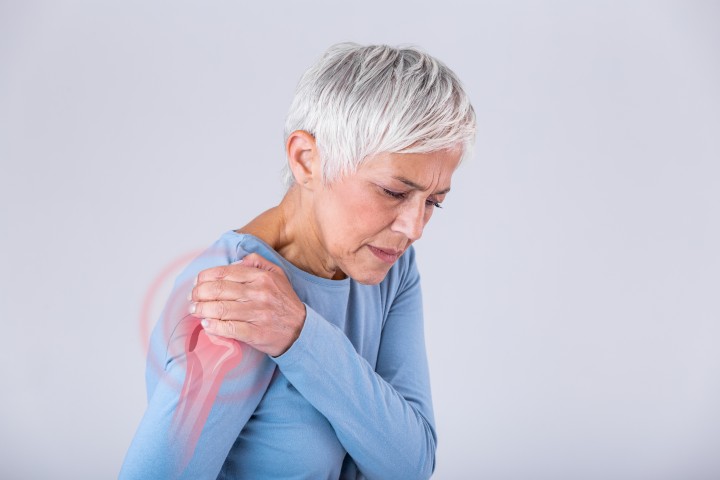
Shoulder pain caused by tendinopathy, impingement, or rotator cuff irritation without a full-thickness tear is one of the most common scenarios where preservation is the primary approach. In these situations, the tendon is inflamed, degenerated, or mechanically irritated, but its continuity is preserved. A structured program of physical therapy, activity adjustment, and sometimes anti-inflammatory interventions can reduce pain and restore function. The key factor here is that the tissue still has the capacity to heal or adapt once the irritant is addressed.
Early Degenerative Changes and Overuse Patterns
Mild degenerative changes in the shoulder joint, particularly in younger or more active individuals, may respond well to a preservation strategy. Overuse patterns from repetitive overhead activity, poor mechanics, or gradual load increases can produce pain and stiffness that improve with targeted rehabilitation. Because the structural damage in these cases is often limited to the soft tissues and has not yet progressed to a point where the joint’s mechanics are fundamentally altered, non-operative management has a reasonable chance of restoring comfortable function.
Activity Goals and Patient Priorities
Even when a structural problem exists, a patient’s goals can shape the conversation toward preservation. Someone who needs a functional shoulder for daily activities and light exercise may find that a well-managed conservative approach meets their needs without the recovery period and potential limitations that follow surgery. The decision to preserve native tissue is often informed by the tradeoff between the time and effort required for rehabilitation after a procedure and the functional outcome the patient actually needs.
When Surgical Repair Is Discussed
Repair becomes a more central consideration when the shoulder’s structural integrity is compromised in a way that non-operative care is unlikely to resolve.
Full-Thickness Rotator Cuff Tears
A full-thickness tear means the tendon is no longer continuous with the bone. In these cases, the muscle can no longer generate the force needed for overhead motion, and symptoms such as weakness, pain at night, and difficulty with basic tasks tend to persist despite conservative treatment. Surgical repair aims to reattach the tendon to its anatomical position on the humerus, restoring the mechanical link between muscle and bone. The urgency of repair can vary depending on the size of the tear, the quality of the remaining tissue, and how long the tear has been present.
Labral Instability and Tears
The labrum is a ring of cartilage that deepens the shoulder socket and contributes to joint stability. When it is torn or detached, the shoulder may feel unstable, produce clicking or catching, or limit certain movements. Labral repairs are typically performed arthroscopically, using small incisions and a camera to visualize and address the damaged tissue. This approach allows for a relatively targeted intervention while preserving as much of the surrounding anatomy as possible.
Shoulder Arthroscopy as a Care Option
Shoulder arthroscopy is the most common surgical approach for many repair and preservation procedures. It allows a provider to evaluate the joint directly, address mechanical problems, and perform repairs through small incisions rather than a large open approach. At Academy Orthopaedics, shoulder arthroscopy is offered as part of a broader shoulder and elbow service that also includes shoulder replacement surgery and shoulder repair and preservation. The specific procedure chosen depends on what is found during evaluation and what the patient’s goals require.
Activity Demands and Persistent Symptoms
The decision to move toward repair often comes down to a combination of persistent symptoms and functional limitations that do not improve with time and conservative care. A person who returns to sport, performs physically demanding work, or simply cannot perform routine activities without pain may find that the functional ceiling of conservative management is not enough. In those cases, repair offers a path to restoring the mechanical capacity of the shoulder that non-operative strategies cannot achieve on their own.
Key Factors That Shape the Choice Between Paths
Several dimensions tend to matter most when comparing preservation and repair as options for a particular shoulder.
Diagnosis and Structural Findings
The starting point is always the diagnosis. A provider’s assessment of what is structurally wrong with the shoulder determines which path is even available. A shoulder with isolated impingement and an intact cuff presents a very different decision landscape from one with a large, retracted tear and fatty infiltration of the muscle. Imaging findings, physical examination, and the patient’s symptom pattern together form the basis for understanding whether the problem is one that can be managed or one that requires structural correction.
Disease Stage and Progression
Where a problem sits in its natural history affects both the available options and the expected results. Early-stage changes, whether in the rotator cuff, labrum, or joint surface, generally respond better to intervention than late-stage changes. A tear that is recent and small has different healing potential than one that has been present for months with significant muscle atrophy. This is one reason why timely evaluation matters: the longer a structural problem goes unaddressed, the narrower the range of effective options can become.
Activity Goals and Tolerance for Limitations
What the shoulder needs to do is as important as what is wrong with it. A person whose primary goal is pain-free daily function may be well served by a preservation strategy that accepts a small degree of mechanical limitation. Someone who needs full overhead strength for work or sport may find that the same limitation is not acceptable and that repair offers a more complete restoration of capacity. Tolerance for the recovery period, potential post-operative restrictions, and the possibility of residual stiffness also plays a role in which path feels more appropriate.
Tradeoffs Between Native Tissue and Surgical Restoration
Preservation keeps the shoulder’s existing anatomy intact, which avoids the risks and recovery demands of surgery. The tradeoff is that the underlying mechanical problem may persist or slowly progress, potentially limiting long-term function. Repair addresses the structural problem directly but introduces surgical risks, a recovery period, and the possibility that the repaired tissue will not be as strong as it was before the injury. Neither path is free of tradeoffs. The right choice is the one where the benefits align with what the person needs from the shoulder and the costs are acceptable in their specific context.
Practical Considerations for Evaluating Options
The Role of Conservative Care Within a Preservation Approach
When preservation is the chosen path, conservative care is not a placeholder while waiting to see if the problem worsens. It is the treatment. A well-structured program of physical therapy, activity modification, and sometimes targeted medical interventions is designed to produce meaningful improvement in pain and function. The expected timeline varies, but most patients can expect to see progress over several weeks to a few months. If symptoms are improving and function is returning, the preservation approach is working as intended. If symptoms plateau or worsen despite consistent effort, that is a signal to re-evaluate the diagnosis and consider whether the structural problem is more significant than initially assessed.
What Evaluation Involves When Repair Is Being Considered
When surgical repair is being discussed, the evaluation typically includes a detailed history, a focused physical examination, and imaging such as MRI or ultrasound to characterize the structural damage. The provider will assess the size and quality of the torn tissue, the condition of the surrounding structures, and the overall mechanical function of the joint. This information helps determine whether repair is feasible, what type of procedure is most appropriate, and what the realistic expectations for recovery should be. The goal of the evaluation is to match the intervention to the specific problem rather than applying a one-size-fits-all approach.
How Personal Priorities Influence the Path Explored First
There is no single correct sequence for evaluating shoulder options. Some patients prefer to exhaust conservative measures before considering surgery, while others may move toward a surgical consultation more quickly if the diagnosis is clear and the functional impact is significant. Both approaches are reasonable. What matters is that the decision is informed by a clear understanding of the diagnosis, the likely trajectory of the problem if left unaddressed, and what each path realistically offers in terms of function, recovery time, and long-term outcomes.
Why Individualized Assessment Matters
Shoulder problems are not uniform. Two patients with the same diagnosis can have very different tissue quality, different activity demands, different pain tolerances, and different goals for their shoulder. An individualized assessment takes all of those factors into account rather than applying a generic treatment algorithm. At Academy Orthopaedics, the team presents a plan of care options tailored to each patient’s priorities and concerns, which means the conversation about preservation versus repair is shaped by the specific person in front of the provider, not by a protocol applied uniformly.
If you are dealing with persistent shoulder pain and trying to understand whether a preservation-focused approach or a surgical repair would be more appropriate for your situation, the first step is a thorough evaluation that clarifies what is actually happening in the joint. From there, the options become easier to weigh against your own goals and priorities. You can reach Academy Orthopaedics at 973-446-7500 or 973-554-4922 to schedule an appointment with one of our specialists.