
┌──────────────────────────────────────────────────────┐
QUICK SUMMARY
Pickleball is an excellent way for adults over 50 to stay active, improve coordination, and enjoy regular exercise, but sudden movements, repetitive swings, and unexpected falls can lead to orthopedic injuries. The five common injury categories include rotator cuff injuries, knee injuries, ankle sprains, wrist injuries, and muscle or tendon strains.
Many pickleball injuries improve with rest, physical therapy, and other nonsurgical treatments. More serious injuries, including significant tendon tears, fractures, and ligament damage, may require orthopedic surgery. At Academy Orthopedics, our sports medicine physicians and orthopedic surgeons help patients throughout northern New Jersey understand their injuries, explore treatment options, and safely return to the activities they enjoy.
└──────────────────────────────────────────────────────┘
Pickleball has quickly become one of America’s most popular recreational sports, particularly among adults who want to remain physically active without the demands of traditional high-impact athletics. The game combines elements of tennis, badminton, and table tennis while offering an accessible way to exercise, socialize, and maintain cardiovascular health. For adults in their 50s, 60s, 70s, and beyond, pickleball can be an enjoyable part of a healthy lifestyle.
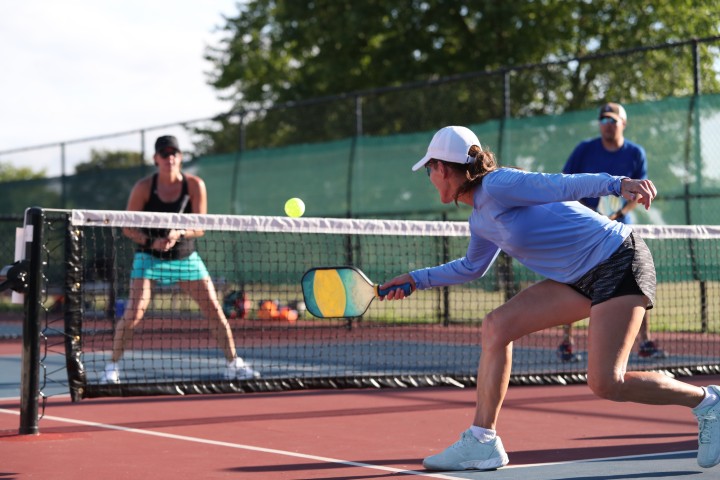
However, the sport’s growing popularity has also brought increased attention to pickleball injuries among older adults. Although the court is smaller than a tennis court and the paddle is relatively lightweight, players still perform quick lateral movements, sudden stops, overhead swings, and unexpected changes in direction. These movements place considerable stress on the shoulders, knees, ankles, wrists, and surrounding muscles.
Age-related changes in tendon strength, joint cartilage, flexibility, and balance can make certain injuries more likely after age 50. Adults returning to exercise after years of inactivity may be especially vulnerable when they increase their playing frequency too quickly.
At Academy Orthopedics, we provide comprehensive orthopedic and sports medicine care for active adults throughout northern New Jersey, including Wayne, Clifton, Morristown, Glen Ridge, West Orange, Paramus, Totowa, and surrounding communities. Our goal is to help patients understand what caused their injury, identify the most appropriate treatment, and return to pickleball with greater confidence.
Why Are Pickleball Injuries More Common in Adults Over 50?
Pickleball is often described as a low-impact sport, but that description does not mean it is free from injury risk. Players repeatedly accelerate, decelerate, rotate their bodies, and reach for shots that may place them in awkward positions. Even recreational doubles games can involve demanding movements, particularly near the kitchen line, where rapid exchanges require quick reactions.
As we age, tendons gradually become less elastic, muscles may lose strength, and joints can develop degenerative changes. These natural processes do not prevent someone from playing pickleball, but they can influence how the body responds to repetitive activity.
For example, an adult with an existing rotator cuff problem might develop shoulder pain after several games involving overhead shots. Someone with early knee arthritis may notice swelling after repeated lateral movements. A player with reduced ankle stability may be more susceptible to sprains when quickly changing direction.
The American Academy of Orthopaedic Surgeons has also highlighted the increase in pickleball-related fractures, particularly among older adults who may have reduced bone density. Falls that might cause bruising in one player could result in a fracture in another, especially when osteoporosis is present.
Another important factor is the tendency to underestimate the sport’s physical demands. Because pickleball is enjoyable and social, players may participate in multiple games without recognizing fatigue. As the muscles responsible for stability become tired, movement mechanics can deteriorate, increasing the likelihood of injury.
Understanding these risks allows older adults to make informed decisions about conditioning, recovery, and appropriate medical evaluation.
1. Rotator Cuff Injuries: Why Pickleball Can Cause Shoulder Pain
The rotator cuff is a group of four muscles and their tendons that surround the shoulder joint. These structures help stabilize the shoulder and allow the arm to rotate, lift, and perform controlled movements.
During pickleball, the rotator cuff is particularly active when serving, reaching for wide shots, and performing overhead smashes. Repetitive movements can irritate these tendons, especially when the shoulder already has age-related degenerative changes.
Players may develop rotator cuff tendinopathy, inflammation of surrounding tissues, or partial and complete tendon tears. Some injuries develop gradually through repeated use, while others occur suddenly when a player reaches forcefully for a difficult shot.
Common symptoms include shoulder pain when lifting the arm, discomfort during overhead movements, weakness, reduced range of motion, and difficulty sleeping on the affected side. A significant rotator cuff tear may cause noticeable weakness or difficulty raising the arm.
How Does an Orthopedic Surgeon Treat Rotator Cuff Injuries?
At Academy Orthopedics, we begin by evaluating the patient’s symptoms, shoulder strength, mobility, and medical history. Imaging may be recommended when a significant tendon injury is suspected or symptoms persist despite initial treatment.
Many rotator cuff conditions respond well to nonsurgical care. Treatment may include modifying activities, appropriate medication, physical therapy, and selected injections when clinically indicated. Rehabilitation focuses on restoring shoulder mobility, strengthening the rotator cuff and surrounding muscles, and improving movement patterns.
For patients with significant tendon tears, persistent weakness, or symptoms that do not improve with conservative treatment, surgery may be considered.
Our orthopedic specialists provide rotator cuff repair and shoulder arthroscopy when appropriate. Arthroscopic techniques use small incisions and specialized instruments to evaluate and treat certain shoulder conditions.
The decision to recommend surgery depends on factors such as the size and type of tear, the patient’s functional limitations, overall health, and activity goals. Not every rotator cuff tear requires surgical treatment.
For adults who want to continue playing pickleball, restoring shoulder strength and controlled movement is an important part of preventing recurring problems.
2. Knee Injuries: Meniscus Tears, Ligament Sprains, and Arthritis Flare-Ups
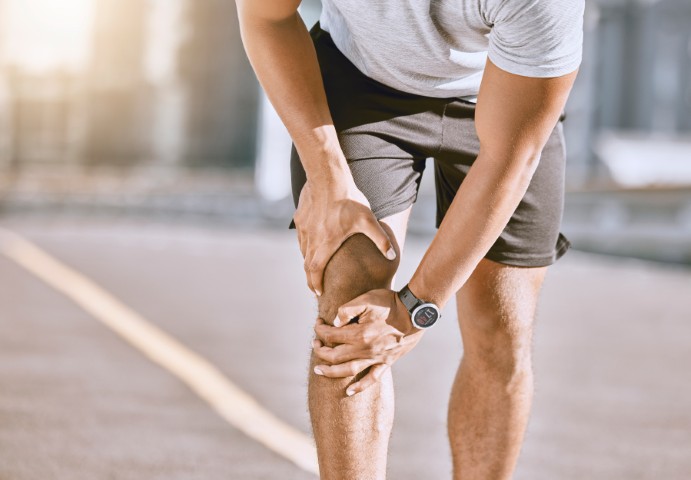
Knee injuries are another important concern for pickleball players over 50. The sport involves side-to-side movement, pivoting, sudden stops, and quick changes in direction, all of which can place considerable stress on the knee joint.
The meniscus, a piece of cartilage that helps distribute weight and absorb shock within the knee, is particularly vulnerable to twisting movements. A player may experience a meniscus tear while pivoting to return a shot or attempting to change direction while the foot remains planted.
Symptoms can include pain along the knee joint, swelling, stiffness, catching sensations, and difficulty fully bending or straightening the leg. Some patients experience discomfort immediately, while others develop symptoms several hours after playing.
Ligament sprains can also occur when the knee twists unexpectedly or moves beyond its normal range. Although severe ligament injuries are less common in casual play, they remain possible.
For older adults, pickleball can also aggravate existing knee osteoarthritis. Arthritis occurs when joint cartilage deteriorates, potentially causing pain, stiffness, swelling, and reduced mobility. The repetitive movement involved in pickleball may temporarily increase symptoms, particularly when playing time increases suddenly.
How Are Pickleball-Related Knee Injuries Treated?
Our orthopedic specialists assess knee stability, range of motion, swelling, and the specific movements that cause discomfort. Depending on the findings, X-rays or MRI studies may help identify arthritis, meniscus damage, or ligament injuries.
Many patients improve with nonsurgical treatment, including activity modification, physical therapy, appropriate medications, and injections when indicated.
Physical therapy is particularly useful for strengthening the quadriceps, hamstrings, and hip muscles that support knee function. Improving muscular control can reduce unnecessary stress on the joint during pickleball.
For certain meniscus injuries that cause ongoing mechanical symptoms or functional limitations, knee arthroscopy may be considered. Arthroscopic surgery allows the surgeon to treat selected problems inside the joint through small incisions.
Academy Orthopedics also provides advanced knee repair and preservation procedures, ligament reconstruction, and knee replacement surgery for patients whose conditions warrant these treatments.
Knee replacement is generally considered for advanced arthritis that significantly affects daily activities and has not responded adequately to appropriate nonsurgical care. It is not a routine treatment for a pickleball injury.
Our priority is to preserve natural joint function whenever possible and develop treatment recommendations based on the patient’s diagnosis and long-term mobility goals.
3. Ankle Sprains: A Frequent Risk During Quick Changes in Direction
Ankle sprains can occur when a pickleball player suddenly changes direction, lands awkwardly, or loses balance while reaching for the ball.
A sprain involves stretching or tearing one or more ligaments that stabilize a joint. Most ankle sprains affect the ligaments on the outside of the ankle when the foot rolls inward.
The smaller pickleball court can give players a false sense of security. Although the distance traveled is relatively short, the game frequently demands sudden changes in direction. Players may step backward unexpectedly, move laterally near the net, or plant their foot awkwardly while attempting a difficult return.
Symptoms typically include pain, swelling, bruising, tenderness, and difficulty placing weight on the affected foot. Severe injuries may cause significant instability or an inability to walk comfortably.
Adults over 50 may face additional challenges if they have reduced balance, previous ankle injuries, or limited lower-leg strength.
How Does an Orthopedic Specialist Treat an Ankle Sprain?
Treatment begins with determining whether the injury involves ligament damage, a fracture, or another structural problem. Significant swelling, bony tenderness, or difficulty bearing weight may require X-rays to assess for a fracture.
Mild ankle sprains often improve with temporary activity modification, compression, elevation, appropriate support, and progressive rehabilitation.
More substantial injuries may require a brace, splint, or a period of protected weight-bearing, depending on the severity.
Physical therapy can help restore ankle mobility, rebuild strength, and improve proprioception, which is the body’s ability to recognize joint position and maintain balance.
At Academy Orthopedics, our sports medicine team evaluates sprains, fractures, and ligament injuries to determine the most appropriate recovery plan. Our conservative approach emphasizes restoring stability and function while reserving surgical treatment for injuries that require more extensive intervention.
Returning to pickleball before ankle strength and balance have recovered can increase the likelihood of another sprain. Rehabilitation should focus not only on eliminating pain but also on preparing the ankle for quick lateral movements and controlled changes in direction.
4. Wrist Injuries: Falls, Fractures, and Repetitive Paddle Movements
Wrist injuries can occur through repetitive paddle use or unexpected falls during pickleball games.
One common mechanism is a fall onto an outstretched hand. When players lose balance, they often instinctively extend their arm to break the fall. This can place substantial force on the wrist and forearm.
Depending on the impact, injuries may include wrist sprains or fractures, particularly fractures of the distal radius near the wrist joint.
Older adults with osteoporosis or reduced bone density may be more vulnerable to fractures following a fall.
Repetitive paddle movements can also produce wrist discomfort. Frequent gripping, rapid wrist extension, and repeated rotation may irritate the tendons that control wrist movement.
Symptoms can include localized pain, swelling, reduced grip strength, discomfort when rotating the wrist, and difficulty performing everyday activities such as opening containers or lifting objects.
How Are Wrist Injuries Evaluated and Treated?
An orthopedic evaluation helps distinguish between a mild soft tissue injury and a more significant structural problem.
When a fracture is suspected, imaging is important for determining whether the bone is broken and whether the fragments remain properly aligned.
Nonsurgical fracture treatment may involve immobilization with a splint or cast, followed by rehabilitation as healing progresses. Some fractures require surgical stabilization, particularly when the joint surface is disrupted or the bone fragments are significantly displaced.
Wrist sprains and tendon-related conditions may respond to activity modification, temporary support, medication when appropriate, and targeted rehabilitation.
Academy Orthopedics offers evaluation and treatment for orthopedic fractures and sports-related injuries, including nonsurgical fracture management and surgical care when medically necessary.
A player who experiences substantial wrist swelling, deformity, severe pain, or difficulty moving the hand after a fall should seek prompt medical evaluation rather than assuming the injury is a simple sprain.
For patients over 50, a fracture after a relatively minor fall may also warrant a discussion with their healthcare provider about bone health and osteoporosis screening.
5. Muscle Strains and Tendon Injuries: Hamstring, Calf, and Achilles Problems
Muscle strains and tendon injuries are particularly relevant to pickleball players over 50 because the sport requires rapid acceleration, sudden stops, and explosive movements that may exceed the body’s current conditioning level.
A muscle strain occurs when muscle fibers are stretched beyond their capacity or partially torn. Common locations include the calf, hamstring, quadriceps, and muscles surrounding the hip.
The calf muscles are especially important during pickleball because they help propel the body forward, stabilize the ankle, and control movement when changing direction.
Players may experience a sudden pulling sensation in the calf when pushing off to reach a ball. Hamstring strains can occur during quick forward movements or when extending the leg unexpectedly.
The Achilles tendon, which connects the calf muscles to the heel bone, is another important structure. Repetitive loading may contribute to Achilles tendinopathy, causing pain and stiffness near the heel or lower calf.
In more serious cases, sudden forceful movements can cause an Achilles tendon rupture. Players may describe feeling or hearing a pop, followed by difficulty pushing off the injured foot or walking normally.
How Are Muscle Strains and Tendon Injuries Treated?
At Academy Orthopedics, we evaluate the location, severity, and functional effects of muscle and tendon injuries to determine the appropriate treatment.
Mild muscle strains often respond to relative rest, gradual rehabilitation, and progressive strengthening. More significant strains may require an extended recovery period and a structured physical therapy program.
For tendon injuries, treatment depends on whether the condition involves irritation, degeneration, a partial tear, or a complete rupture.
Achilles tendon problems require particular attention because a complete rupture can significantly affect walking and lower-leg strength. Some ruptures can be treated without surgery using carefully supervised immobilization and rehabilitation, while other cases may benefit from surgical repair.
Our orthopedic specialists consider factors such as injury severity, activity level, medical history, and individual recovery goals when developing treatment recommendations.
A gradual return to pickleball is essential. Resuming explosive movements before the affected muscles and tendons have regained sufficient strength can increase the likelihood of another injury.
How Can Adults Over 50 Prevent Pickleball Injuries?
Preventing pickleball injuries requires more than stretching before a match. Maintaining adequate strength, balance, cardiovascular conditioning, and joint mobility can help the body tolerate the sport’s physical demands.
For adults who are beginning pickleball later in life, a gradual introduction is particularly important. Even individuals who regularly walk, cycle, or swim may not be accustomed to the lateral movements and rapid changes in direction required during a game.
At Academy Orthopedics, we encourage active adults to think about injury prevention as an ongoing part of their exercise routine rather than something that begins only after discomfort develops.
Practical strategies include:
- Warm up before playing: Begin with several minutes of brisk walking, gentle lateral movements, and controlled shoulder and arm exercises.
- Build lower-body strength: Strengthening the quadriceps, hamstrings, calves, and hip muscles helps support the knees and ankles.
- Improve balance: Single-leg balance exercises and appropriate stability training can help reduce the risk of falls.
- Wear proper footwear: Choose court shoes that provide lateral support, reliable traction, and a stable fit.
- Increase playing time gradually: Avoid immediately progressing from occasional recreational games to daily competitive matches.
- Schedule recovery days: Allow sufficient time between demanding sessions, particularly when experiencing unusual soreness or fatigue.
Proper playing technique can also make a meaningful difference. For example, moving the feet into position rather than reaching excessively with the shoulder may reduce unnecessary strain on the upper body.
Likewise, avoiding uncontrolled backward running can help reduce fall risk. When possible, players should reposition their feet and turn their bodies to move safely toward a ball.
Hydration and fatigue management also deserve attention. Although pickleball may feel less strenuous than some sports, extended outdoor matches during warm weather can lead to dehydration and reduced coordination.
For northern New Jersey residents who enjoy playing at community recreation facilities, local parks, or indoor pickleball centers, consistent conditioning can support safer participation throughout the year.
How Do You Know When a Pickleball Injury Needs Orthopedic Care?
Not every episode of soreness following pickleball indicates a serious injury. Mild muscle discomfort can occur when someone begins a new activity or increases the intensity of exercise.
However, persistent pain, worsening symptoms, or noticeable changes in joint function should not be ignored.
An orthopedic evaluation may be appropriate when pain interferes with walking, lifting, gripping, sleeping, or participating in normal activities.
Certain symptoms deserve particular attention:
- Persistent swelling or joint pain that does not improve with appropriate initial care
- A popping sensation followed by significant weakness or loss of function
- Repeated episodes of knee buckling, ankle instability, or joint locking
- Shoulder weakness that makes lifting the arm difficult
- Wrist pain or swelling following a fall
- Persistent calf or Achilles pain, especially with difficulty pushing off the foot
An obvious deformity, suspected fracture, inability to bear weight, or sudden major loss of function warrants urgent medical evaluation. New calf swelling accompanied by warmth or redness also requires prompt assessment, particularly if it is not clearly explained by a muscle injury. Chest pain or shortness of breath requires emergency care.
Seeking medical attention early can help identify injuries that might worsen without appropriate treatment.
For adults over 50, early evaluation can be particularly beneficial when existing arthritis, previous injuries, or reduced bone density complicate recovery.
Orthopedic and Sports Medicine Treatment at Academy Orthopedics
At Academy Orthopedics, we understand that staying active is an important part of maintaining physical health, independence, and quality of life.
Our board-certified orthopedic specialists and sports medicine physicians provide personalized evaluation and treatment for a wide range of musculoskeletal injuries affecting athletes and recreational players of different ages.
We offer both nonsurgical and surgical treatment options, allowing our team to develop care plans based on the nature of the injury rather than assuming every patient requires an operation.
Our orthopedic and sports medicine services include evaluation and treatment of rotator cuff injuries, ligament damage, meniscus tears, fractures, muscle strains, tendon injuries, and other conditions that affect mobility and physical function.
When appropriate, treatment may involve physical therapy, activity modification, medication, supportive devices, or therapeutic injections.
For injuries requiring surgical intervention, our specialists offer procedures such as knee arthroscopy, shoulder arthroscopy, rotator cuff repair, ligament reconstruction, and selected tendon repairs.
We also provide knee preservation and joint replacement services for individuals experiencing significant joint deterioration or advanced arthritis.
Our sports medicine approach considers the patient’s overall health, previous injuries, physical demands, and personal goals. An adult who plays pickleball twice a week may have different rehabilitation needs than someone participating in competitive tournaments or playing several hours every day.
By developing individualized treatment recommendations, we aim to address the underlying injury, improve movement, and support a safe return to recreational activity.
Our team serves patients across northern New Jersey, with offices in Wayne, Clifton, Morristown, Glen Ridge, West Orange, Paramus, and Totowa. This regional presence allows residents of Passaic, Bergen, Essex, and Morris counties to access orthopedic care closer to home.
How Long Does It Take to Recover From a Pickleball Injury?
Recovery time varies considerably depending on the type of injury, its severity, the treatment required, and the patient’s overall health.
A mild muscle strain or uncomplicated ankle sprain may improve over several weeks. More substantial ligament injuries or tendon damage can require months of rehabilitation.
Some fractures need several weeks of protection before progressive strengthening begins. Surgical procedures, including rotator cuff repair or Achilles tendon repair, may involve rehabilitation lasting several months or longer.
Age alone does not determine how quickly someone will recover. Existing medical conditions, muscle strength, rehabilitation participation, and the extent of tissue damage all influence healing.
At Academy Orthopedics, we emphasize functional recovery rather than relying exclusively on a predetermined timeline.
Before returning to pickleball, patients should demonstrate sufficient joint mobility, strength, stability, and tolerance for movements similar to those required during play.
For example, a player recovering from a knee injury should be able to perform controlled lateral movements without significant pain or instability. Someone recovering from a shoulder injury should regain sufficient strength and control for repetitive paddle movements.
Returning too early can aggravate healing tissues and potentially prolong the overall recovery process.
Staying Active With Pickleball After Age 50
Pickleball can be a rewarding recreational activity for adults in their 50s, 60s, 70s, and beyond. Regular participation offers opportunities for cardiovascular exercise, social interaction, coordination training, and improved physical confidence.
The goal is not to avoid movement because of age. Instead, players should recognize that their bodies may require more deliberate preparation, strengthening, and recovery than they did earlier in life.
For northern New Jersey residents, the availability of indoor and outdoor pickleball opportunities makes the sport accessible throughout much of the year.
Seasonal changes can influence how players prepare. Cold weather may increase the time needed to warm up comfortably before outdoor play, while hot and humid summer conditions make hydration and recovery particularly important.
Individuals with arthritis, previous joint injuries, or chronic tendon discomfort may benefit from discussing their activity goals with an orthopedic specialist.
In many cases, appropriate conditioning and treatment allow patients to remain active without unnecessarily abandoning a sport they enjoy.
Get Back to Pickleball With Orthopedic Care at Academy Orthopedics
Pickleball offers adults over 50 an enjoyable opportunity to stay active, build friendships, and support long-term physical health. Although shoulder injuries, knee problems, ankle sprains, wrist fractures, and muscle strains can interrupt participation, many of these conditions respond well to timely evaluation and appropriate treatment.
At Academy Orthopedics, our orthopedic surgeons and sports medicine physicians are committed to helping northern New Jersey patients maintain mobility, manage pain, and recover from sports-related injuries. Whether you are experiencing persistent shoulder discomfort, knee pain after a match, or a sudden injury that has limited your ability to play, we can evaluate your condition and develop a treatment plan tailored to your needs.
If pickleball pain is affecting your daily activities or keeping you off the court, contact Academy Orthopedics to schedule an orthopedic consultation. Our team is here to help you understand your treatment options, restore function, and work toward returning to the activities that matter most to you.
Frequently Asked Questions About Pickleball Injuries in Adults Over 50
1. What is the most common pickleball injury in adults over 50?
Knee, ankle, shoulder, and wrist injuries are frequently reported among pickleball players, along with muscle strains and tendon problems. The specific injury pattern varies depending on the player’s age, conditioning, playing style, and whether the injury occurred through repetitive use or a sudden fall. Knee sprains, ankle sprains, rotator cuff injuries, and wrist fractures are particularly important concerns for older adults. An orthopedic evaluation can identify the specific problem and help determine appropriate treatment.
2. Is pickleball safe for people over 60 or 70?
Pickleball can be a suitable recreational activity for many adults over 60 or 70, particularly when they have adequate balance, mobility, and physical conditioning. The smaller court and adjustable playing intensity make the sport accessible to individuals with different fitness levels. However, players with advanced arthritis, significant balance problems, cardiovascular limitations, or previous injuries should consider discussing their participation with an appropriate healthcare professional before beginning or increasing activity.
3. Can pickleball cause a rotator cuff tear?
Yes. Repetitive overhead movements, forceful swings, and sudden reaching motions can contribute to rotator cuff injuries. Tendons also become more susceptible to degenerative changes with age. Players may experience shoulder pain, weakness, or difficulty raising the arm. Many rotator cuff conditions respond to conservative treatment, but significant tears or persistent functional limitations may require surgical evaluation.
4. Why does my knee hurt after playing pickleball?
Knee pain after pickleball can result from several conditions, including overuse, meniscus injuries, ligament sprains, patellar tendon irritation, or existing osteoarthritis. Sudden twisting and lateral movements may aggravate the knee, especially when the muscles supporting the joint become fatigued. If pain is persistent, accompanied by swelling, or associated with catching or instability, an orthopedic examination can help determine the cause.
5. Should I continue playing pickleball if I have arthritis?
Many people with mild or moderate arthritis can continue participating in appropriate physical activities, including pickleball. However, the decision depends on the affected joint, severity of symptoms, overall mobility, and response to exercise. Activity modification, strengthening, and appropriate medical treatment may help reduce discomfort. Persistent swelling, worsening pain, or joint instability should be evaluated before continuing strenuous play.
6. How do I know if I sprained my ankle or broke a bone?
Ankle sprains and fractures can cause similar symptoms, including pain, swelling, bruising, and difficulty walking. A fracture may be more likely when there is significant bony tenderness, deformity, or inability to bear weight, but symptoms alone cannot always distinguish between the two. An orthopedic examination and appropriate imaging can determine whether a fracture is present. Severe symptoms after an ankle injury should be evaluated promptly.
7. Do pickleball injuries usually require surgery?
Most mild to moderate pickleball injuries can initially be managed without surgery. Treatment may include activity modification, physical therapy, medication, bracing, or other conservative approaches. Surgery may be considered for certain complete tendon ruptures, unstable fractures, significant ligament injuries, or structural problems that do not respond adequately to nonsurgical care. At Academy Orthopedics, we evaluate each patient’s condition and recommend treatment based on the diagnosis and individual needs.
8. How can I prevent knee injuries while playing pickleball?
Strengthening the muscles surrounding the knees and hips, wearing appropriate court shoes, and improving balance can help reduce injury risk. Players should also warm up before matches, increase their playing time gradually, and avoid sudden changes in intensity. Practicing controlled lateral movements and allowing adequate recovery between demanding sessions can help reduce unnecessary stress on the knees.
9. When can I return to pickleball after an orthopedic injury?
Return-to-play timing depends on the injury’s severity and the treatment provided. Minor strains may improve within weeks, while fractures, major ligament injuries, and tendon repairs may require several months of recovery. Patients should regain appropriate strength, joint mobility, balance, and functional stability before resuming play. An orthopedic specialist can help determine when it is reasonable to return and whether additional rehabilitation is necessary.
10. Where can I find orthopedic treatment for pickleball injuries in northern New Jersey?
Academy Orthopedics provides comprehensive orthopedic and sports medicine services for residents throughout northern New Jersey. Our practice has locations in Wayne, Clifton, Morristown, Glen Ridge, West Orange, Paramus, and Totowa, serving patients from surrounding communities across Passaic, Bergen, Essex, and Morris counties. Our orthopedic surgeons and sports medicine physicians evaluate shoulder injuries, knee conditions, ankle sprains, fractures, tendon injuries, and other musculoskeletal problems. Patients can contact our office to schedule an evaluation and discuss personalized treatment options.