
┌─────────────────────────────────────────────────────────┐
QUICK SUMMARY
Year-round participation in a single sport can increase the risk of overuse injuries in children and teenagers, particularly when intense training schedules do not allow adequate recovery. Repetitive stress can contribute to stress fractures, tendonitis, growth plate injuries, and persistent joint pain.
Research has found that girls specializing in one sport across multiple seasons experienced a 31% higher relative risk of certain serious musculoskeletal injuries compared with girls who did not specialize. At Academy Orthopedics, we provide pediatric sports medicine and orthopedic care for young athletes throughout Northern New Jersey, helping families recognize warning signs, address injuries early, and develop safer return-to-play plans.
└─────────────────────────────────────────────────────────┘
The Growing Concern of Overuse Injuries in Youth Sports
Youth sports provide children with opportunities to develop confidence, discipline, teamwork, and lifelong healthy habits. Across Northern New Jersey, young athletes participate in competitive soccer, baseball, softball, basketball, gymnastics, swimming, lacrosse, football, and other organized activities. From recreational leagues in Wayne and Clifton to competitive travel programs serving Paramus, Morristown, and surrounding communities, sports are an important part of many families’ lives.
However, the increasing emphasis on competitive performance, year-round training, and early sports specialization has introduced new challenges for growing athletes. Children who once participated in different seasonal activities may now spend most of the year training for one sport, attending multiple practices each week, competing in weekend tournaments, and participating in additional private instruction.
Although these opportunities can help young athletes develop their skills, repetitive physical demands without sufficient recovery may increase the likelihood of injury.
At Academy Orthopedics, we understand that parents want to support their children’s athletic goals while protecting their long-term health. One of the most important parts of maintaining that balance is recognizing when normal athletic activity becomes excessive.
Overuse injuries often develop gradually rather than occurring during a single dramatic incident. A child may initially experience mild soreness after practice, discomfort when running, or tenderness around a joint. Without appropriate attention, these symptoms can progress into more significant problems that interfere with sports participation, everyday activities, and healthy physical development.
Understanding the relationship between sports specialization, repetitive stress, and injury prevention can help families make informed decisions about their children’s training schedules and physical well-being.
What Is Sports Specialization, and Why Does It Matter?
Sports specialization occurs when a young athlete focuses primarily on one sport, often training and competing in that activity for most or all of the year while limiting participation in other sports.
For example, a middle school soccer player in Wayne might participate in fall school soccer, winter indoor leagues, spring travel soccer, and summer training camps. Although each program may have different coaches and teammates, the athlete continues performing many of the same movements throughout the year.
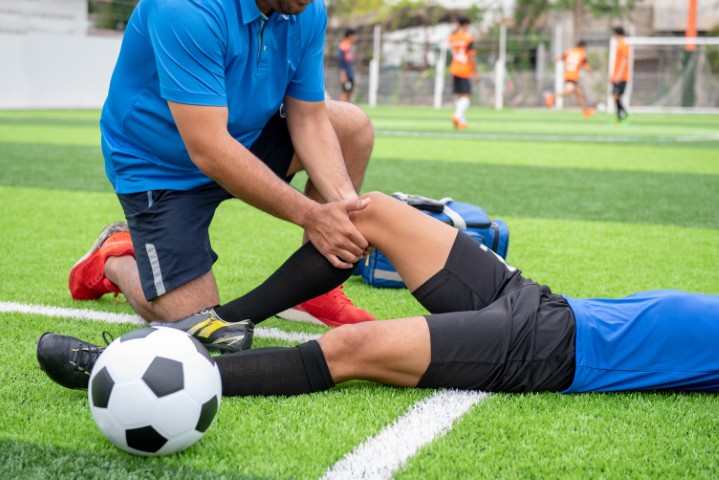
Repeated sprinting, cutting, kicking, and changing direction place consistent demands on the knees, ankles, hips, and surrounding muscles.
Similarly, a young baseball pitcher participating in multiple teams throughout the year may repeatedly stress the shoulder and elbow without allowing enough time for recovery.
Sports specialization does not automatically cause injuries, and many young athletes participate in competitive programs without experiencing serious problems. However, the combination of high training volume, repetitive movement, inadequate rest, and physical immaturity can increase injury risk.
The concern becomes particularly important when children specialize before their bodies have fully developed.
Young athletes experience significant changes in bone length, muscle strength, coordination, and joint stability throughout childhood and adolescence. During periods of rapid growth, their bodies may become temporarily more vulnerable to repetitive stress.
When training demands increase faster than the body can adapt, the risk of overuse injuries becomes greater.
What Research Reveals About Year-Round Sports and Injury Risk
Medical research has identified an association between intensive sports specialization and increased injury rates among young athletes.
A prospective study involving more than 10,000 participants from the Growing Up Today Study examined the relationship between sports specialization, athletic activity, and musculoskeletal injuries.
Researchers found that girls who specialized in a single sport across the fall, winter, and spring experienced approximately a 31% higher relative risk of certain musculoskeletal injuries compared with girls who did not specialize.
The injuries examined included stress fractures, tendinitis, anterior cruciate ligament (ACL) tears, and other knee and joint conditions. Importantly, the 31% figure reflected the combined injury outcomes studied, not a separate 31% increase in ACL tears alone.
Other research involving high school athletes has also associated sports specialization with greater overall injury frequency and more severe injuries requiring longer recovery.
These findings are especially relevant for Northern New Jersey families whose children participate in competitive travel leagues, club programs, and intensive athletic development.
However, research does not suggest that every child participating in one sport will experience an injury. Injury risk depends on numerous factors, including training intensity, age, growth patterns, conditioning, previous injuries, and recovery time.
At Academy Orthopedics, we believe understanding these factors is essential to protecting young athletes without unnecessarily discouraging participation in the sports they enjoy.
How Repetitive Motion Causes Overuse Injuries
Unlike acute injuries, which occur suddenly following a fall, collision, or awkward movement, overuse injuries develop through repeated physical stress.
Every time an athlete runs, jumps, throws, or changes direction, the muscles, bones, tendons, and joints absorb mechanical forces. Under normal circumstances, the body responds to these demands by adapting and becoming stronger.
However, adaptation requires adequate recovery.
When repetitive activity continues without sufficient rest, microscopic tissue damage may accumulate faster than the body can repair it.
In growing athletes, this process can be especially concerning because developing bones and growth plates may be less resistant to certain types of repetitive stress than mature skeletal structures.
For example, repetitive running can place excessive loading on the bones of the feet and lower legs. Frequent overhead throwing can irritate structures around the shoulder or elbow, while repeated jumping may contribute to discomfort around the knee.
The location and severity of an overuse injury often depend on the athlete’s sport, training patterns, biomechanics, and stage of physical development.
A young gymnast practicing repetitive landings may experience different orthopedic concerns than a baseball pitcher or distance runner. Nevertheless, the underlying problem is often similar: the body is being exposed to more repetitive stress than it can safely tolerate.
Common Overuse Injuries in Children and Teenagers
Stress Fractures and Bone Stress Injuries
Stress fractures are small cracks in bones that develop when repetitive loading exceeds the bone’s ability to recover and remodel.
Young athletes involved in running, basketball, soccer, gymnastics, and track and field may be particularly vulnerable because these sports involve repeated impact.
Early symptoms frequently include localized pain during exercise that improves with rest. As the injury progresses, discomfort may occur during walking or routine daily activities.
A stress fracture should never be dismissed as ordinary muscle soreness. Continuing high-impact activity can worsen the injury and significantly extend recovery.
Early orthopedic evaluation is important because some bone stress injuries require activity restrictions and close monitoring to heal appropriately.
Tendonitis and Tendon-Related Pain
Tendons connect muscles to bones and help transfer force during movement.
Repetitive jumping, running, throwing, and other athletic activities may irritate these structures, resulting in pain, stiffness, and reduced performance.
Young basketball and volleyball players may experience patellar tendon pain, while swimmers, tennis players, and baseball athletes can develop shoulder or elbow tendon-related symptoms.
Not every case of tendon pain represents active inflammation. Some persistent conditions involve changes in tendon structure or irritation near developing growth centers.
Identifying the precise source of discomfort is important because appropriate treatment depends on the athlete’s age, symptoms, and diagnosis.
Growth Plate Injuries
Growth plates are areas of developing cartilage near the ends of children’s bones. They allow bones to lengthen as children mature.
Because growth plates are not as strong as mature bone, repetitive stress can cause irritation or injury.
For young baseball players, repetitive throwing may contribute to conditions commonly described as Little League elbow or Little League shoulder.
Young runners and jumping athletes may experience irritation where tendons attach near developing growth centers, including conditions such as Osgood-Schlatter disease and Sever’s disease.
Although many growth-related conditions improve with appropriate management, certain growth plate injuries can affect normal bone development if not properly evaluated.
Persistent pain around a growing joint deserves medical attention, particularly when symptoms interfere with athletic participation.
Knee and Ligament Injuries
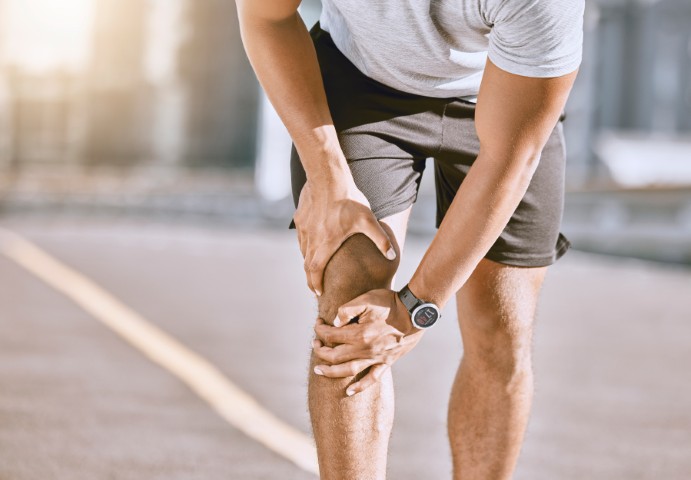
The knee absorbs considerable force during running, jumping, pivoting, and landing.
Young athletes participating in soccer, basketball, football, and lacrosse may experience ligament injuries, meniscus damage, patellar instability, or repetitive stress-related knee pain.
ACL tears typically occur during sudden movements rather than developing as a traditional overuse injury. However, intensive year-round training, fatigue, insufficient neuromuscular conditioning, and repetitive exposure to high-risk movements may contribute to an athlete’s overall knee injury risk.
An orthopedic evaluation can help distinguish temporary discomfort from structural problems requiring more specialized treatment.
Warning Signs Parents Should Never Ignore
Children often hesitate to report pain because they do not want to miss games, disappoint teammates, or lose their position on a team.
Some athletes also believe that soreness is simply part of improving their performance.
Although mild muscle soreness can occur after strenuous exercise, persistent or worsening pain should never be considered an unavoidable part of youth athletics.
Parents should pay attention to the following warning signs:
- Pain that repeatedly returns during practices, games, or training sessions.
- Swelling, tenderness, or stiffness around a joint.
- Limping, favoring one leg, or changing movement patterns.
- Discomfort that continues after exercise or interferes with sleep.
- Reduced throwing speed, running ability, strength, or athletic coordination.
- Persistent fatigue, declining performance, or reluctance to participate in activities the child previously enjoyed.
A child who changes their running mechanics to avoid knee pain or struggles to throw comfortably may be compensating for an underlying injury.
These changes should not be ignored simply because the athlete can still participate.
When symptoms persist, worsen, or interfere with normal movement, an orthopedic assessment can help identify the cause before the condition becomes more severe.
Severe pain, inability to bear weight, obvious deformity, or significant swelling after an injury warrants prompt medical evaluation.
Why Growing Athletes Need a Different Approach to Sports Medicine
Children and adolescents are not simply smaller versions of adult athletes.
Their developing bones, changing muscle strength, and open growth plates create orthopedic considerations that require age-appropriate evaluation and treatment.
During adolescence, rapid growth can temporarily affect flexibility and coordination. Muscles and tendons may become relatively tight as bones lengthen, placing additional stress on certain areas.
An athlete who previously tolerated a demanding training schedule may suddenly experience discomfort during a growth spurt.
Additionally, the physical demands of organized sports can increase substantially as children move from recreational leagues into middle school, high school, and competitive travel programs.
At Academy Orthopedics, our pediatric sports medicine approach considers each athlete’s skeletal development, injury history, physical activity, and long-term goals.
Rather than focusing exclusively on eliminating symptoms, we work to understand the contributing factors that may place a young athlete at risk of recurring injuries.
This individualized approach helps support healthy growth while maintaining realistic expectations for athletic recovery.
The Benefits of Playing Multiple Sports
Participating in multiple sports allows children to experience different movement patterns, physical demands, and social environments.
For example, a child who plays soccer in the fall, basketball during the winter, and baseball in the spring develops different combinations of balance, coordination, endurance, and strength.
This variety may reduce continuous repetitive loading on the same tissues while encouraging broader athletic development.
Different sports also introduce athletes to new movement skills. Swimming emphasizes controlled upper-body movement and cardiovascular endurance, while basketball involves jumping, landing, and directional changes.
Multi-sport participation does not eliminate injury risk, especially if a child participates in overlapping seasons without adequate rest. However, thoughtful variation in activity can help reduce excessive repetition.
Parents should also consider the emotional benefits of allowing children to explore different sports.
Athletes who feel pressured to specialize too early may experience increased stress, burnout, or declining enjoyment.
For many children, maintaining a variety of athletic interests supports a more balanced relationship with exercise.
How Much Sports Training Is Too Much?
There is no single training schedule that is appropriate for every young athlete.
A healthy workload depends on the child’s age, physical development, sport, conditioning, and recovery needs.
However, pediatric sports medicine guidance commonly recommends that children avoid consistently participating in organized sports for more hours per week than their age in years.
For example, a 12-year-old athlete may benefit from limiting organized sports participation to approximately 12 hours per week or less as a general precaution. This is a guideline rather than a precise medical threshold, and some athletes may require substantially less activity.
Many sports medicine recommendations also encourage at least one or two days each week without organized sports training or competition.
Young athletes may benefit from taking several weeks away from a specific sport throughout the year, while remaining physically active through other enjoyable activities.
Families in Northern New Jersey should consider the combined demands of school teams, travel leagues, private coaching, camps, and supplemental conditioning.
A child who participates in three separate programs may be accumulating significantly more training hours than any individual coach realizes.
Maintaining communication between parents, coaches, and healthcare professionals can help prevent excessive workloads.
The Importance of Rest, Recovery, and Proper Conditioning
Rest is not a sign of weakness or a lack of athletic commitment.
Recovery allows muscles, bones, tendons, and other tissues to adapt to physical demands.
Without sufficient recovery, fatigue can influence movement mechanics, coordination, and overall performance.
Adequate sleep is particularly important for growing athletes. School-age children generally need approximately 9 to 12 hours of sleep, while teenagers typically require 8 to 10 hours.
Balanced nutrition, hydration, and sufficient energy intake also contribute to musculoskeletal health.
Young athletes who do not consume enough energy to support both training and growth may face additional concerns involving bone health, fatigue, and injury risk.
Age-appropriate strength training and movement instruction can further support injury prevention.
Programs that emphasize controlled landing mechanics, balance, lower-body strength, and neuromuscular coordination may help athletes better tolerate the physical demands of their sports.
For activities involving repetitive throwing, following established age-appropriate workload and rest recommendations is particularly important.
The goal is not to eliminate challenging athletic activity but to help children develop safely while avoiding unnecessary stress on growing structures.
Pediatric Sports Medicine and Orthopedic Services at Academy Orthopedics
At Academy Orthopedics, we provide comprehensive sports medicine and orthopedic care for young athletes experiencing acute injuries, repetitive stress conditions, and problems affecting athletic performance.
Our pediatric sports medicine services focus on evaluating and treating injuries affecting the shoulder, elbow, wrist, hand, hip, knee, foot, and ankle.
When a child develops persistent pain, our orthopedic specialists assess symptoms, physical findings, activity history, and developmental considerations to determine an appropriate course of care.
Depending on the condition, treatment may involve non-surgical management, activity modification, rehabilitation, or other individualized orthopedic interventions.
Our practice also provides specialized care for sports-related knee injuries, including ACL injuries and meniscus damage, as well as shoulder and elbow conditions commonly experienced by young athletes.
For certain injuries that do not respond adequately to conservative treatment, surgical intervention may be considered when clinically appropriate.
Our team carefully evaluates each patient’s needs before recommending treatment, particularly when developing growth plates and future skeletal development must be considered.
We emphasize safe recovery and individualized return-to-play guidance rather than encouraging young athletes to resume competition before they are physically prepared.
Orthopedic Care for Young Athletes Throughout Northern New Jersey
Families throughout Northern New Jersey have access to competitive athletic opportunities that encourage children to participate in sports from an early age.
In communities such as Wayne, Clifton, Totowa, Paramus, West Orange, Glen Ridge, and Morristown, organized youth sports are an important part of community life.
Young athletes may participate in school athletics, recreational leagues, competitive club programs, and regional tournaments that require frequent practices and weekend travel.
While these opportunities can create meaningful experiences, demanding schedules may make it difficult for families to recognize when a child needs additional recovery time.
At Academy Orthopedics, our New Jersey locations make orthopedic evaluation and sports medicine care accessible to families throughout Passaic, Bergen, Essex, and Morris counties.
Our practice has served Northern New Jersey since 1982, providing orthopedic and sports medicine care focused on accurate diagnosis and individualized treatment.
Whether a young soccer player develops persistent knee pain, a baseball pitcher experiences elbow discomfort, or a gymnast struggles with recurring ankle symptoms, we understand the importance of determining why the problem developed.
By identifying injuries early and addressing contributing factors, we aim to help children return to the sports they enjoy while protecting their long-term musculoskeletal health.
When Should Your Child See an Orthopedic Specialist?
Parents should consider an orthopedic evaluation when their child experiences recurring pain, persistent swelling, reduced mobility, or symptoms that interfere with normal athletic activity.
Discomfort that repeatedly disappears with rest but returns during exercise may indicate an overuse condition that requires further assessment.
A young athlete who begins limping, avoids certain movements, or demonstrates noticeable changes in performance may also benefit from professional evaluation.
Early assessment is especially important when pain is located directly over a bone, occurs during routine walking, or develops around a growth plate.
At Academy Orthopedics, our goal is to identify the underlying condition and guide families toward appropriate treatment and recovery.
Depending on the injury, returning to sports may involve temporary activity restrictions, progressive rehabilitation, and careful monitoring of symptoms and physical function.
Returning too quickly can increase the likelihood of reinjury or prolonged discomfort.
For young athletes, making thoughtful decisions about recovery today can help protect their ability to remain active for years to come.
Helping Young Athletes Build a Healthier Future
Youth sports should encourage physical development, confidence, teamwork, and a lifelong appreciation for movement.
Although competitive training can provide meaningful opportunities, children also need adequate time to recover, explore different activities, and develop at a pace appropriate for their growing bodies.
Recognizing the early warning signs of overuse injuries can make an important difference in preventing minor discomfort from becoming a more serious orthopedic problem.
At Academy Orthopedics, we are committed to helping young athletes throughout Northern New Jersey recover from sports injuries, protect their developing joints, and return to activity safely.
If your child is experiencing persistent pain, recurring soreness, or difficulty participating in sports, contact Academy Orthopedics to schedule an orthopedic evaluation. Our team can help identify the cause of discomfort and recommend a personalized treatment plan that supports both recovery and long-term athletic health.
Frequently Asked Questions About Overuse Injuries and Youth Sports
1. How can I tell if my child has an overuse injury or normal soreness?
Normal muscle soreness usually develops after unfamiliar or strenuous activity and improves within a few days. Overuse injuries often cause pain in a specific location that repeatedly returns with activity. Swelling, tenderness, limping, or changes in athletic performance may also indicate an underlying problem. If your child experiences persistent or worsening discomfort, an orthopedic evaluation can help determine whether an injury is present.
2. Is playing one sport year-round dangerous for children?
Year-round participation in one sport does not guarantee injury, but repetitive training without adequate recovery can increase the risk of overuse conditions. Children who repeatedly perform the same movements may develop excessive stress on bones, tendons, joints, and growth plates. Allowing sufficient rest, monitoring training intensity, and incorporating different activities can help reduce unnecessary physical demands.
3. What are the most common overuse injuries in young soccer players?
Young soccer players may experience knee pain, patellar tendon problems, shin pain, bone stress injuries, and growth-related conditions such as Osgood-Schlatter disease. Repeated running, kicking, jumping, and directional changes place substantial stress on the lower extremities. Persistent symptoms should be evaluated to distinguish routine soreness from injuries that require treatment.
4. Can sports specialization increase the risk of ACL injuries?
Research has associated intensive sports specialization with a greater risk of certain musculoskeletal injuries, including injuries affecting the knee. ACL tears usually occur during sudden cutting, pivoting, or landing movements rather than through repetitive wear alone. Training volume, fatigue, biomechanics, strength, and previous injuries may influence overall injury risk. Appropriate conditioning and movement training can help young athletes develop safer movement patterns.
5. How many days per week should a young athlete rest?
Many pediatric sports medicine recommendations encourage at least one or two days each week without organized sports practices or competitions. The appropriate amount of rest depends on the athlete’s age, training intensity, physical development, and overall health. Children participating in multiple programs should have their combined athletic workload considered when planning recovery.
6. Can growth plate injuries affect a child’s future development?
Certain growth plate injuries can interfere with normal bone growth if they are severe or not treated appropriately. Other growth-related conditions involve irritation near developing bone structures and often improve with proper activity modification and treatment. Persistent pain around a growing joint should be evaluated to determine the underlying cause and protect healthy skeletal development.
7. Should my child continue playing sports if the pain disappears during warm-ups?
Pain that improves during warm-ups but returns later can still indicate a developing overuse injury. Temporary symptom improvement does not necessarily mean the affected tissues have recovered. Continuing intense activity may aggravate the condition. If pain repeatedly returns, your child should stop the activity that triggers symptoms and receive appropriate medical guidance before resuming full participation.
8. What sports medicine services does Academy Orthopedics offer for young athletes?
Academy Orthopedics provides pediatric sports medicine evaluations, orthopedic injury diagnosis, non-surgical treatment, and surgical care when appropriate. Our team evaluates conditions involving the knees, shoulders, elbows, hips, ankles, feet, and other musculoskeletal structures. Treatment recommendations are individualized according to each athlete’s injury, physical development, and recovery goals.
9. Where can I find pediatric sports injury care in Northern New Jersey?
Academy Orthopedics serves families throughout Northern New Jersey, with locations in Wayne, Clifton, Totowa, Paramus, West Orange, Morristown, and the Montclair/Glen Ridge area. Our orthopedic specialists evaluate sports-related injuries, including repetitive stress conditions affecting children and teenagers. Families can contact our practice to determine the most appropriate location and appointment options for their child’s needs.
10. When can my child return to sports after an overuse injury?
Return-to-play timelines depend on the specific injury, its severity, and the athlete’s response to treatment. Some mild conditions improve with temporary activity modification, while stress fractures and certain growth plate injuries may require longer recovery periods. Before returning to unrestricted competition, athletes should demonstrate appropriate healing, functional strength, mobility, and tolerance for progressively increasing activity. At Academy Orthopedics, we provide individualized guidance to help young athletes return safely and reduce the likelihood of recurring injuries.